Rohingya: Making a Mark
Section 1 – Introduction
Resisting erasure through symbols, stories, and partnerships
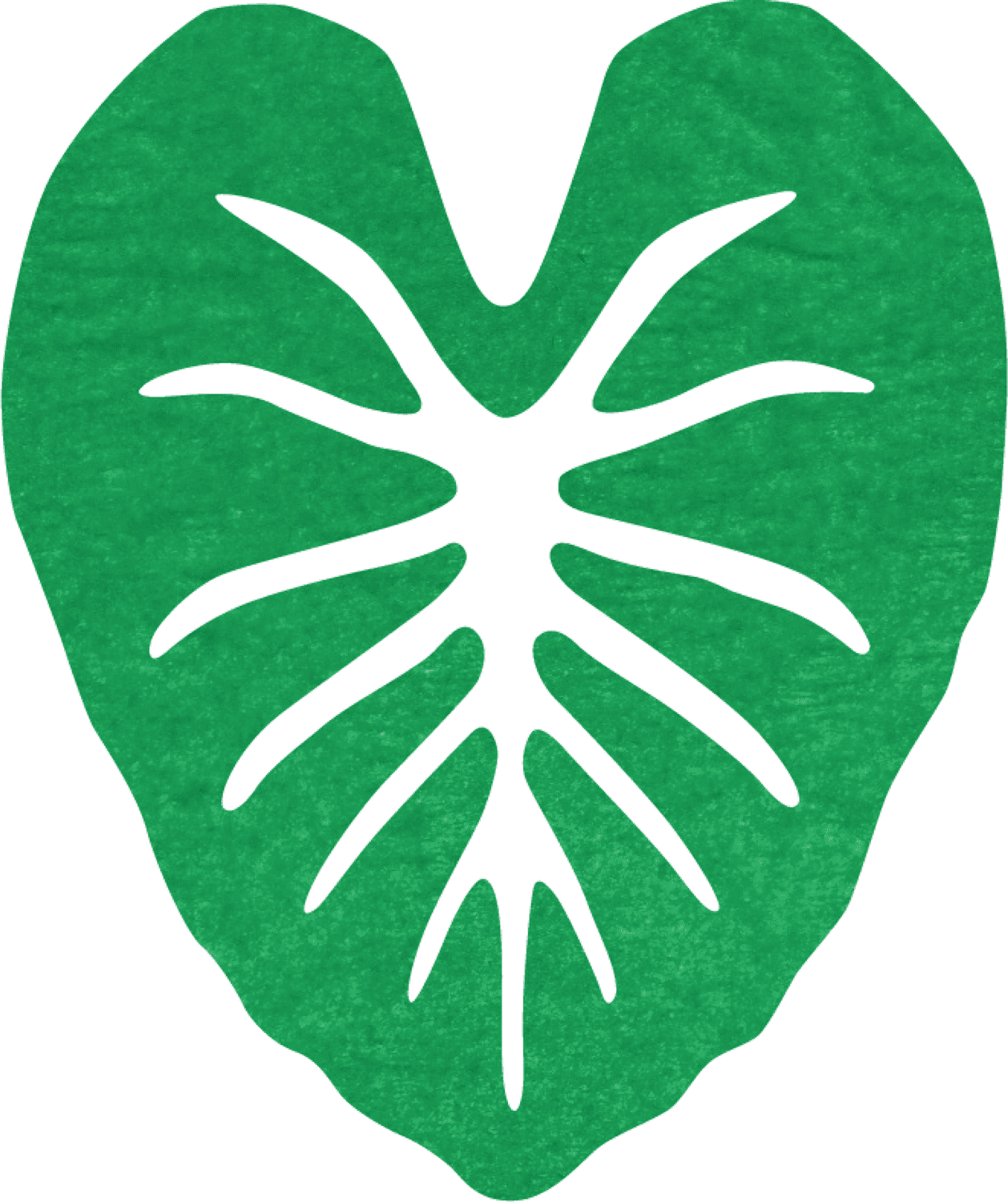
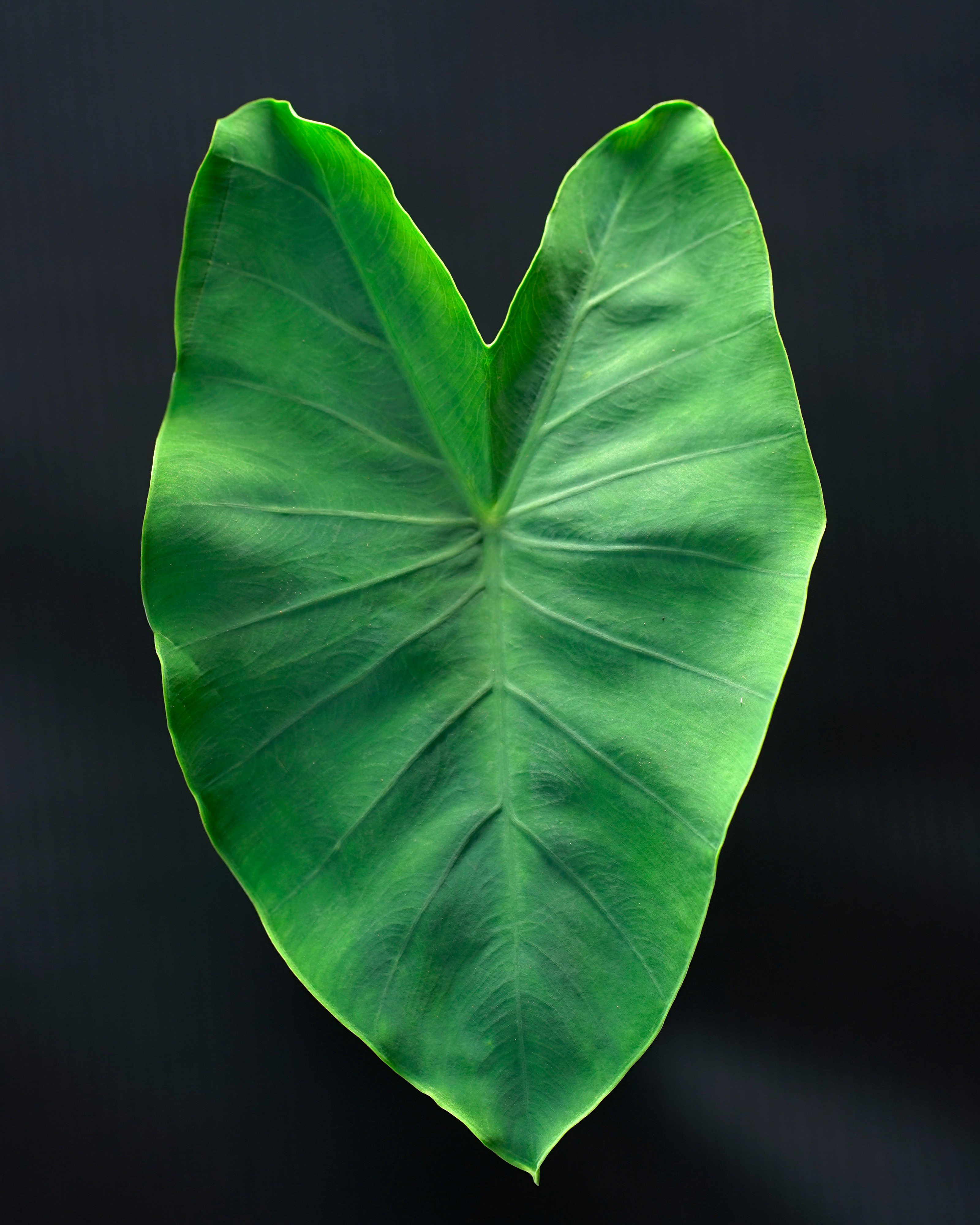
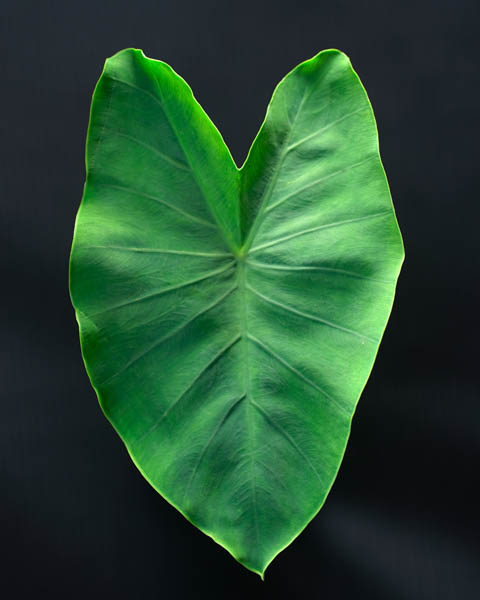
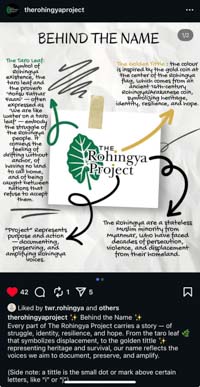
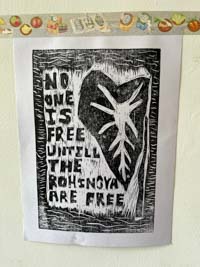
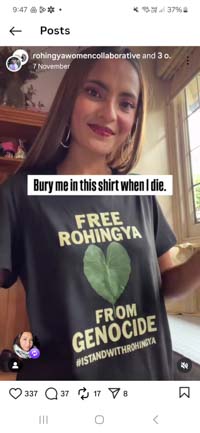
This exhibition is centred around the taro leaf, a symbol that has come to represent Rohingya existence. It draws from the Rohingya proverb “Hoñsu Fathar Faaní” — “water sits on a taro leaf.” Water rests lightly on the leaf’s surface, never absorbed, and can be blown away without leaving a trace.
For the Rohingya, this image reflects the experience of statelessness — denied citizenship, documentation, and permanence, forced to live without the security of belonging to a place.
“Statelessness feels like we are being erased. In Arakan, our existence is denied. Even gravity is against us. But for Rohingya people, existing is resisting — we tell our stories, live our culture, and carry our legacy forward.”
— Rohingya Leads, Creative Advocacy Partnership (CAP)
The taro leaf symbol first emerged during conversations among Rohingya communities in Malaysia and has since grown into a global series of art and storytelling projects. Seen more than 20 million times, it has become one of the largest community-driven arts initiatives ever.
As you move through the exhibition, you will encounter works created by Rohingya artists and their allies across the world. Together, these works reflect artistry, life, memory, and solidarity.
In witnessing these expressions, we invite you to reflect on how you leave your mark on planet earth — and what it might mean to shape that future together.
The Creative Advocacy Partnership, The Australian Centre for Social Innovation, and by Médecins Sans Frontières (MSF).
Section 2 – Making a Mark: Artworks
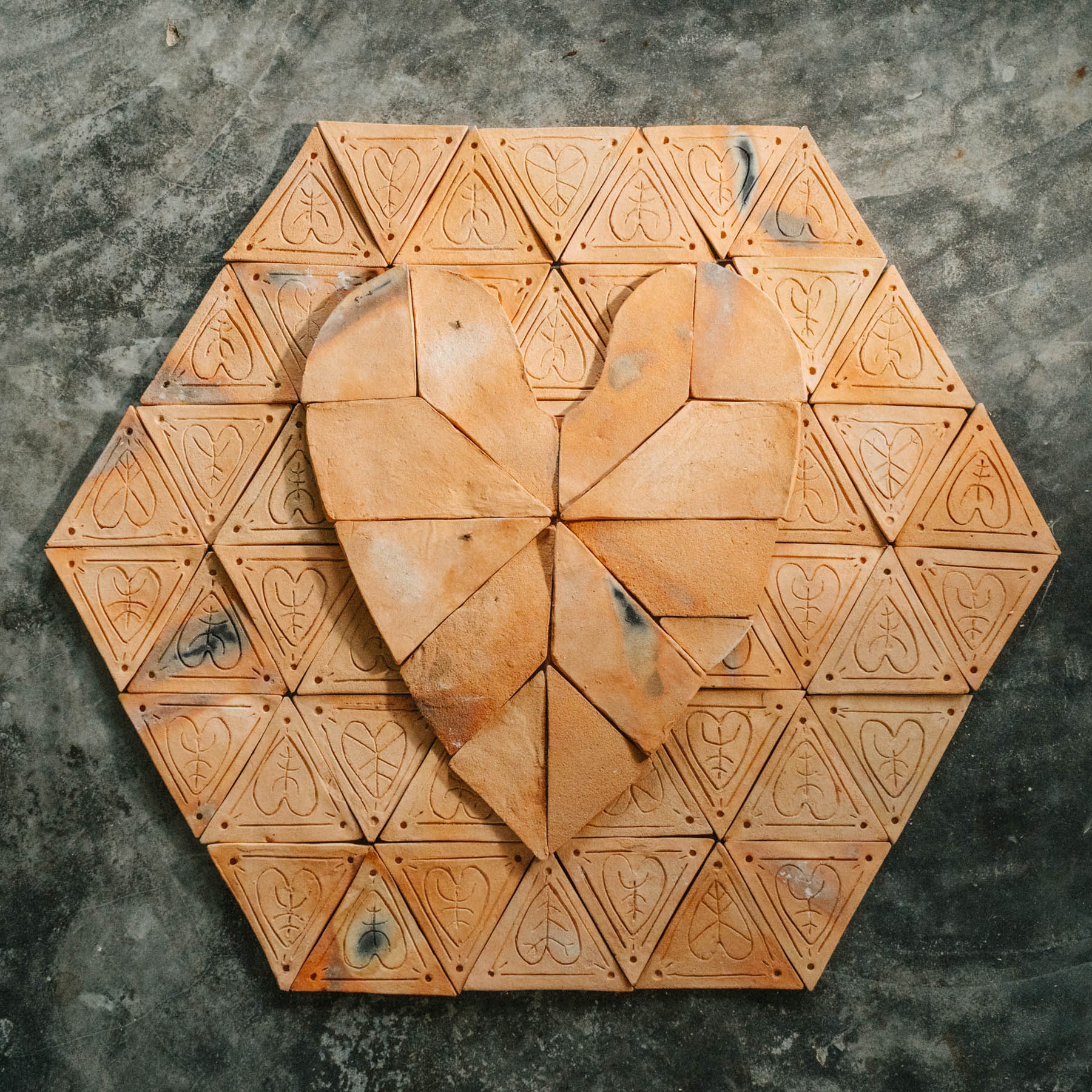
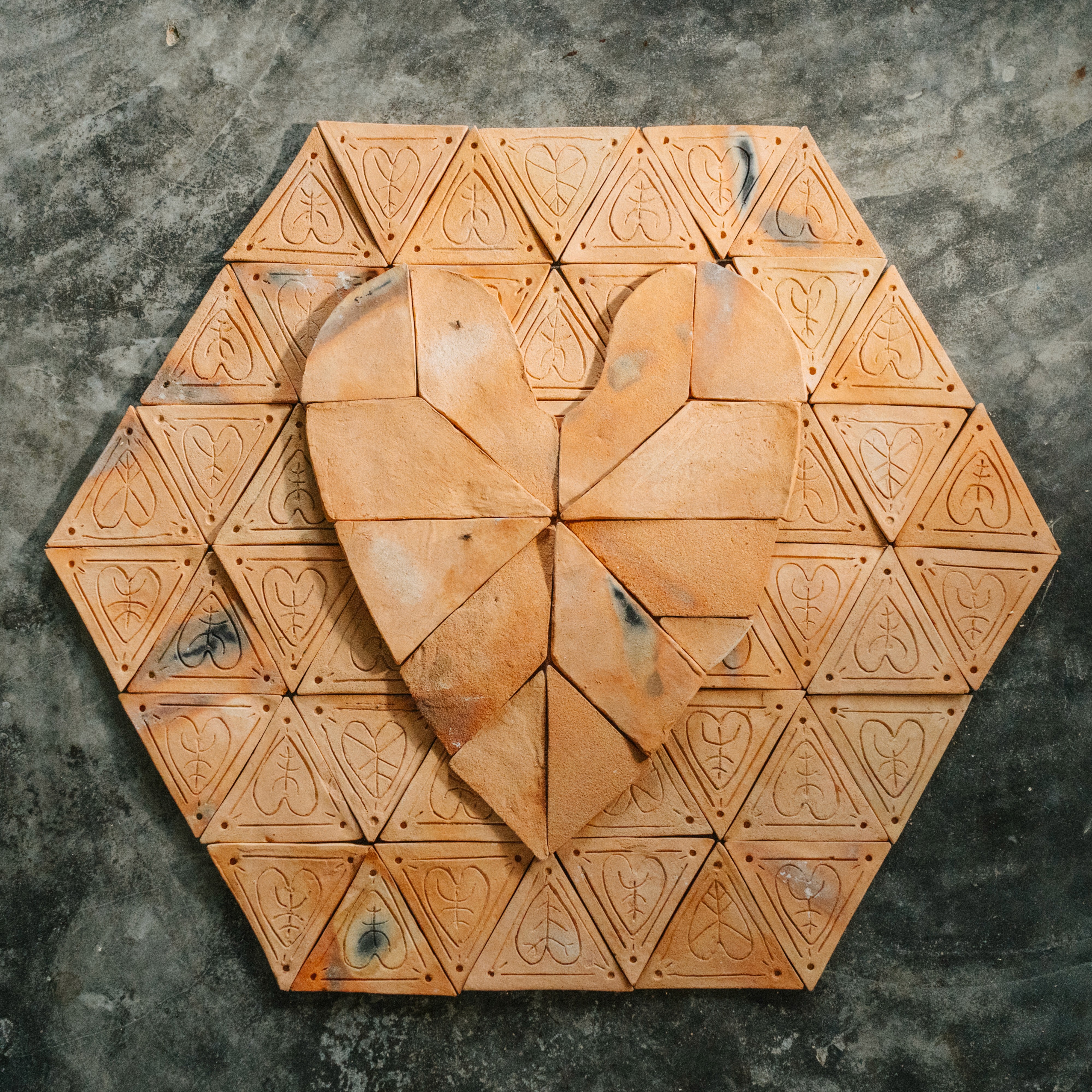
Hoñsu Fathar on Ceramics, 2025
Kali Kumar Rudro & Bishi Bala Rudro
Ye Aung Shong & Te Shong, Maungdaw, Myanmar
60 ceramic tiles
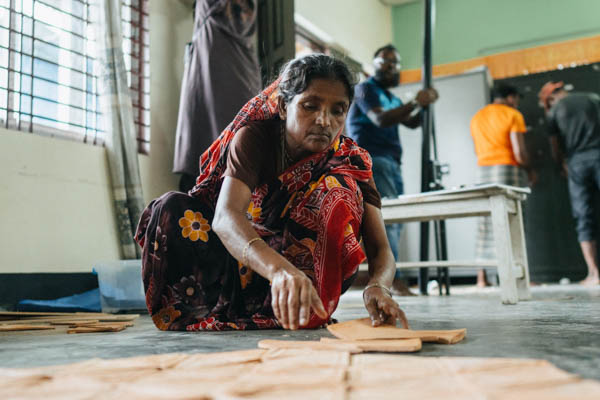
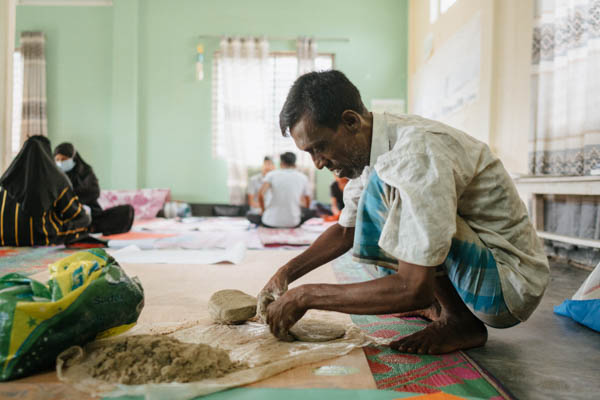
Kali learned pottery from his father, and Bishi Bala from her in-laws after marriage — continuing a craft that spans generations. From pots to animals, jugs to toys, they shape clay with memory and meaning.
“We live under tarpaulin sheets because we have no land, no country,” they say. “That’s what makes us stateless. But by working together — with people from different places — we create something joyful. That’s what we like about this project.”
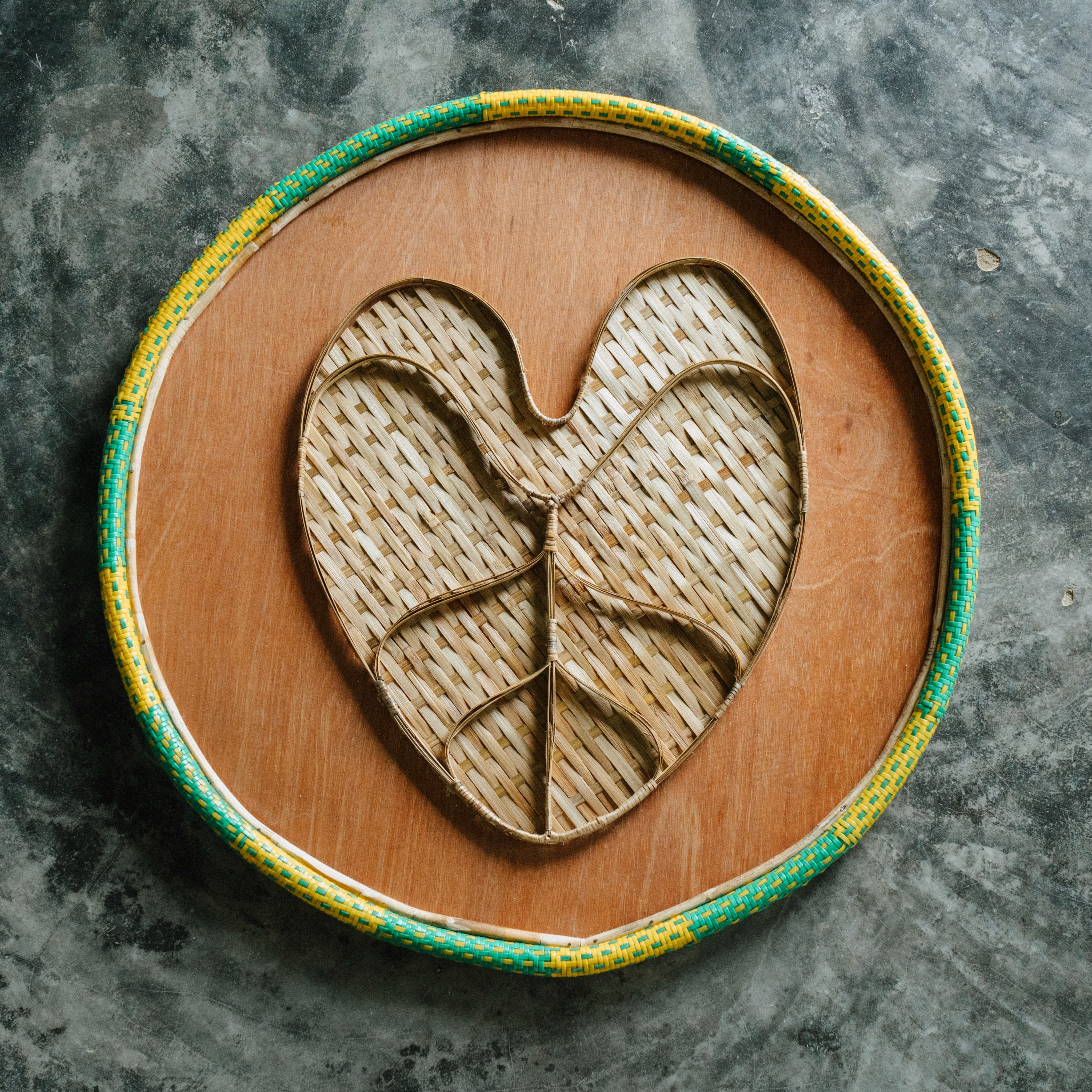
Hoñsu Fathar on Cane Glass, 2025
Nurul Islam
Buthidaung, Myanmar
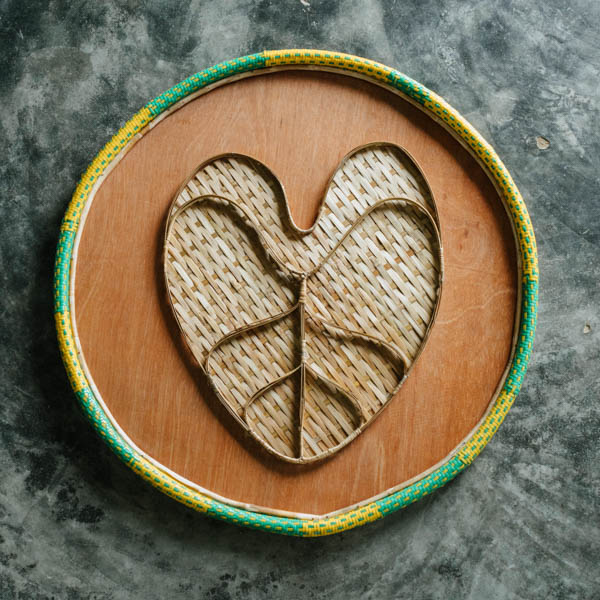
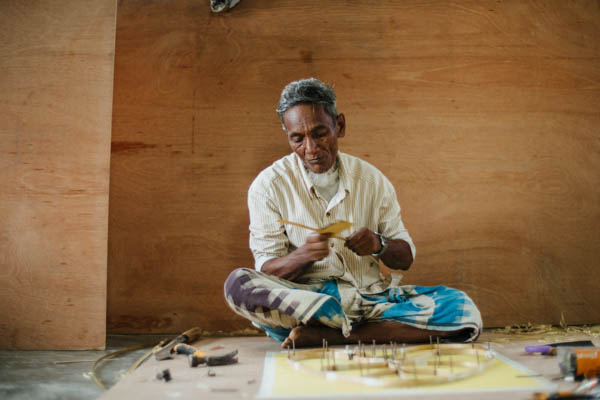
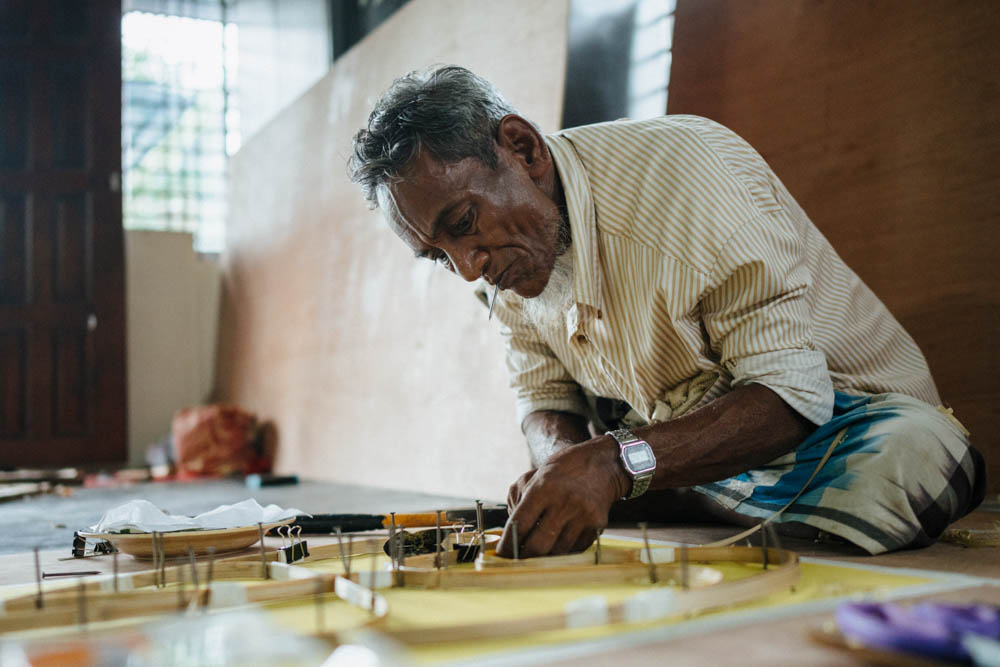
Bamboo and Nylon Weaving
Nurul first learned weaving in 1991 as a refugee in Moricha, Bangladesh, and then again upon returning to Myanmar — only to be expelled in 2017. “My father had some skill in weaving, so I tried to learn from him. He used to work on commission pieces. I wanted to carry that on.”
His work is a message to the world: “We have no land under our feet, but with the help of others, we can keep our culture alive — and one day regain our freedom. Unless we return to our homeland, our culture will fade. Without art, we are not fully Rohingya. When water falls on a taro leaf, we hope it leaves a mark. This is our mark — especially for when we return.”
Hoñsu Fathar in Cuisine, 2025
Rayhana Begum
Chaung Dong, Maungdaw, Myanmar
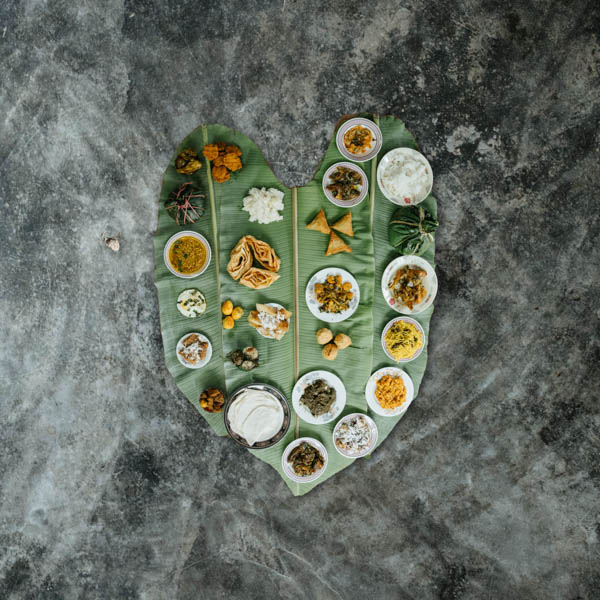
Traditional Rohingya food (15 items)
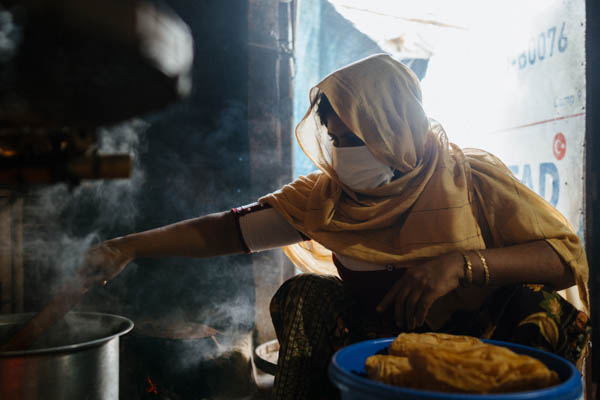
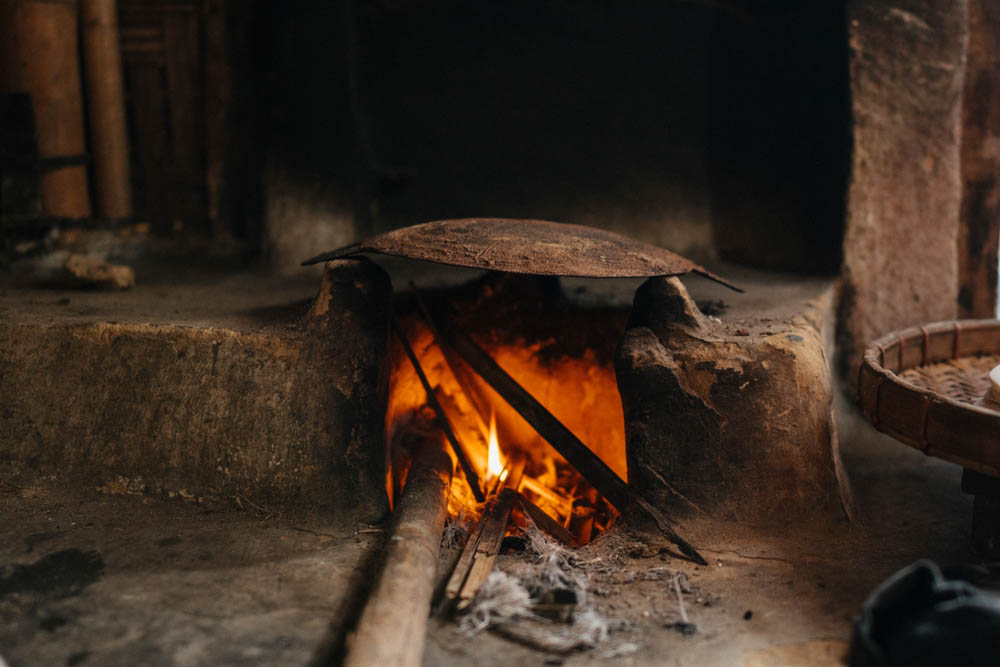
Rayhana’s love of cooking began with her mother and sisters. After marriage, faced with financial hardship, she and her husband opened a small betel nut stall at their home. They hired a cook — and Rayhana learned by watching, eventually becoming a skilled chef herself.
“I encourage all Rohingya women to learn and become skilful, so they can support their families. Our dishes reflect a deep and rooted culture tied to Myanmar. Through this food, I hope the world sees that — and helps us return. We are like dust on the river’s surface — always moving. But we are human, and we deserve human rights. We deserve to be recognised as an ethnic group of Myanmar.”
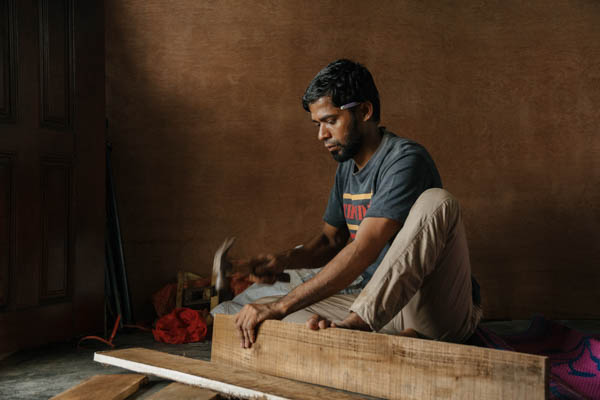
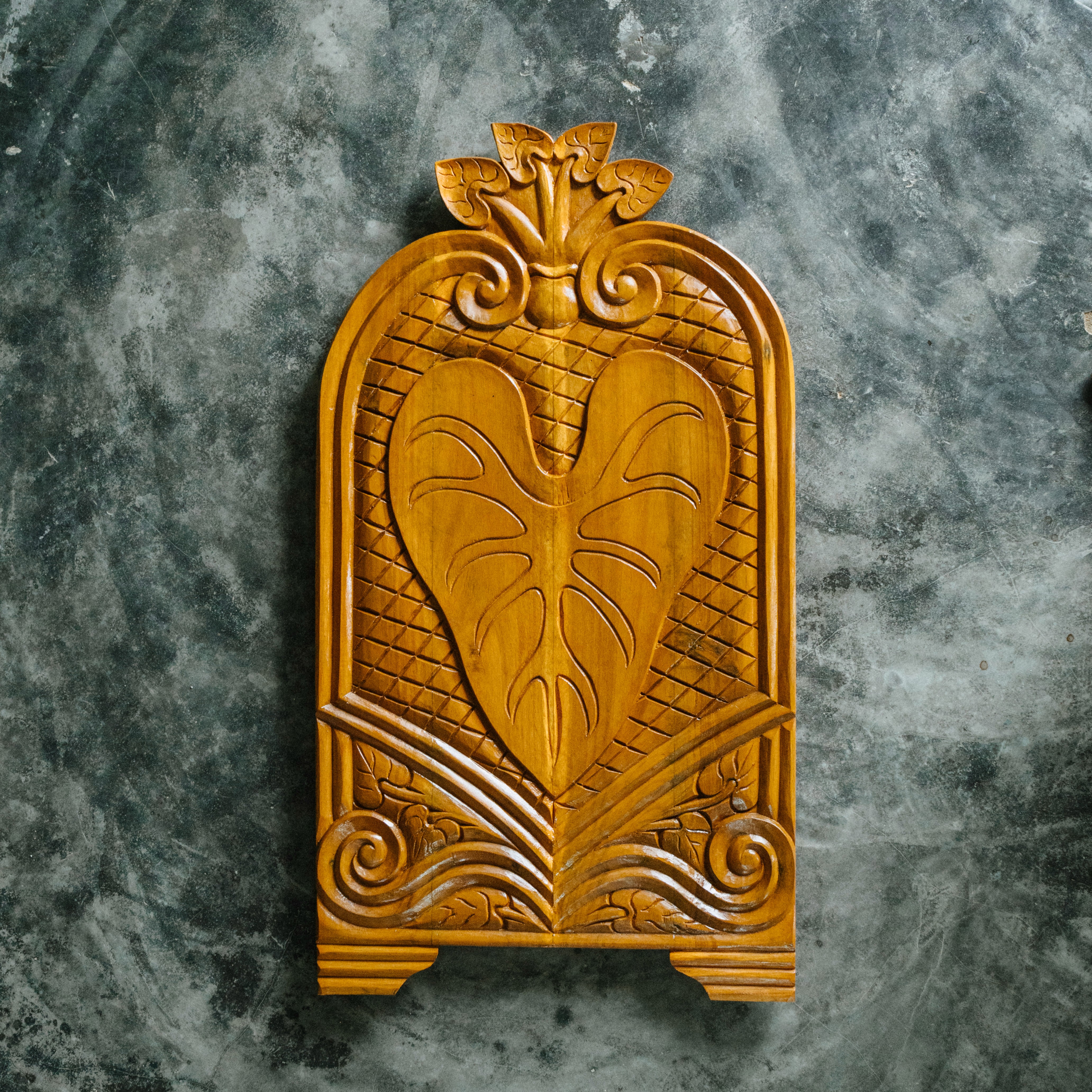
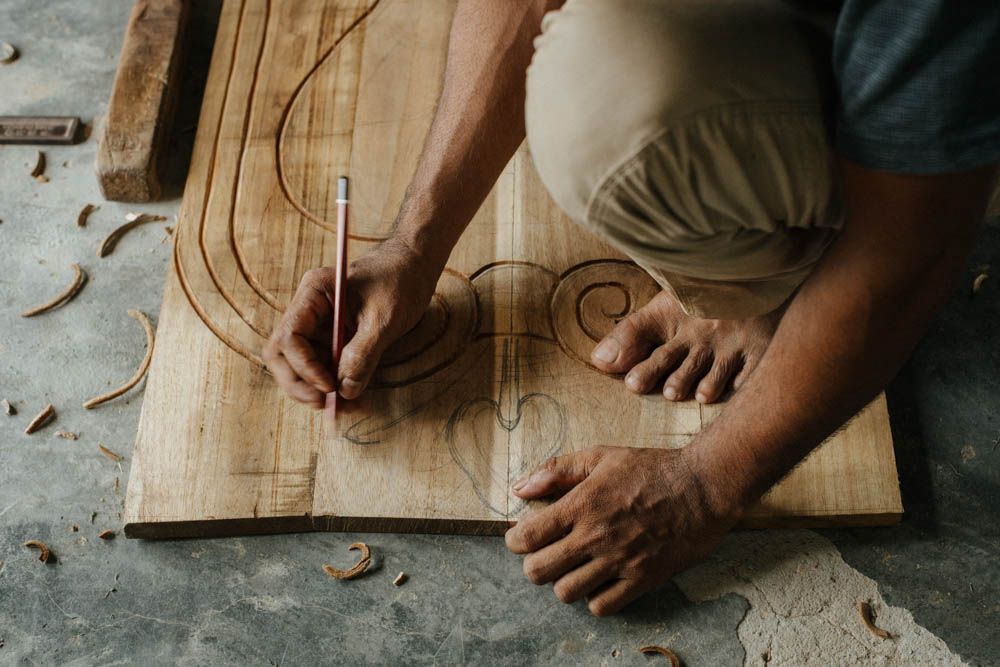
Hoñsu Fathar on Wood, 2025
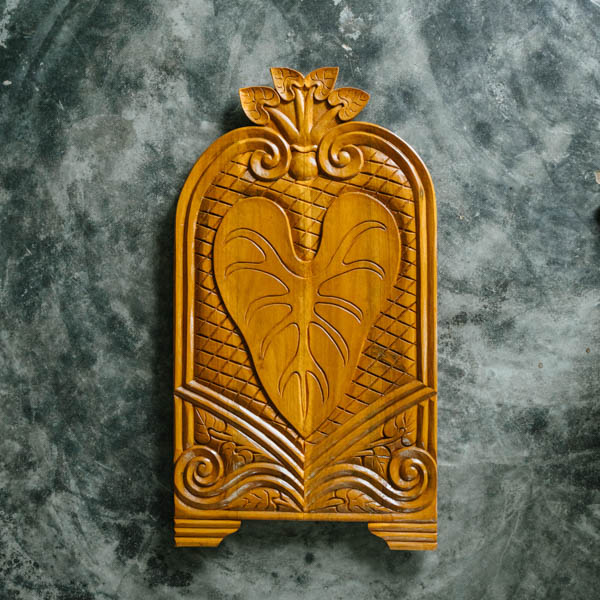
Mohamed Kolim
Ngang Chaung, Maungdaw, MyanmarCarved eucalyptus wood
Kolim began woodworking at age 10 in Arakan, learning from a local carpenter to survive. “We started this work out of necessity, to put food on the table, many people buy my furniture for weddings, I also make lots of baby cradles.” Through carving the taro, Kolim shares a message: “Our life is like water on a taro leaf, we have no ground beneath us, no place to stand. But by showing this publicly, across the world, we leave a mark that cannot be thrown away.”
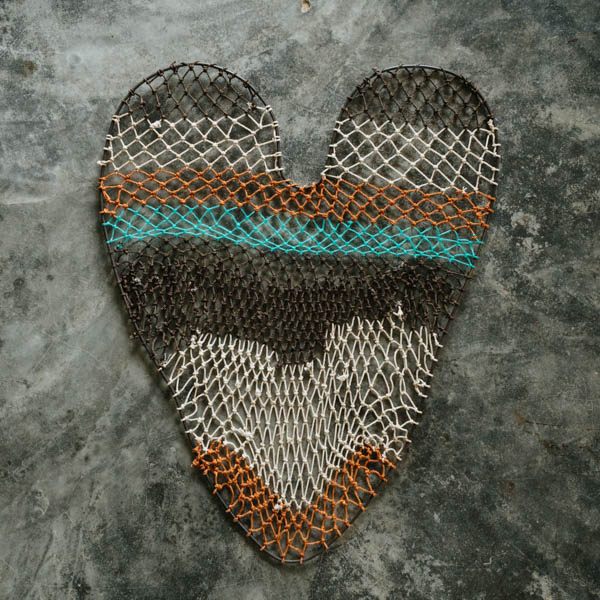
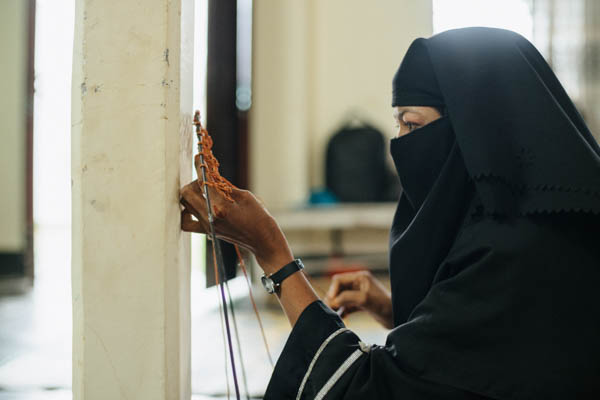
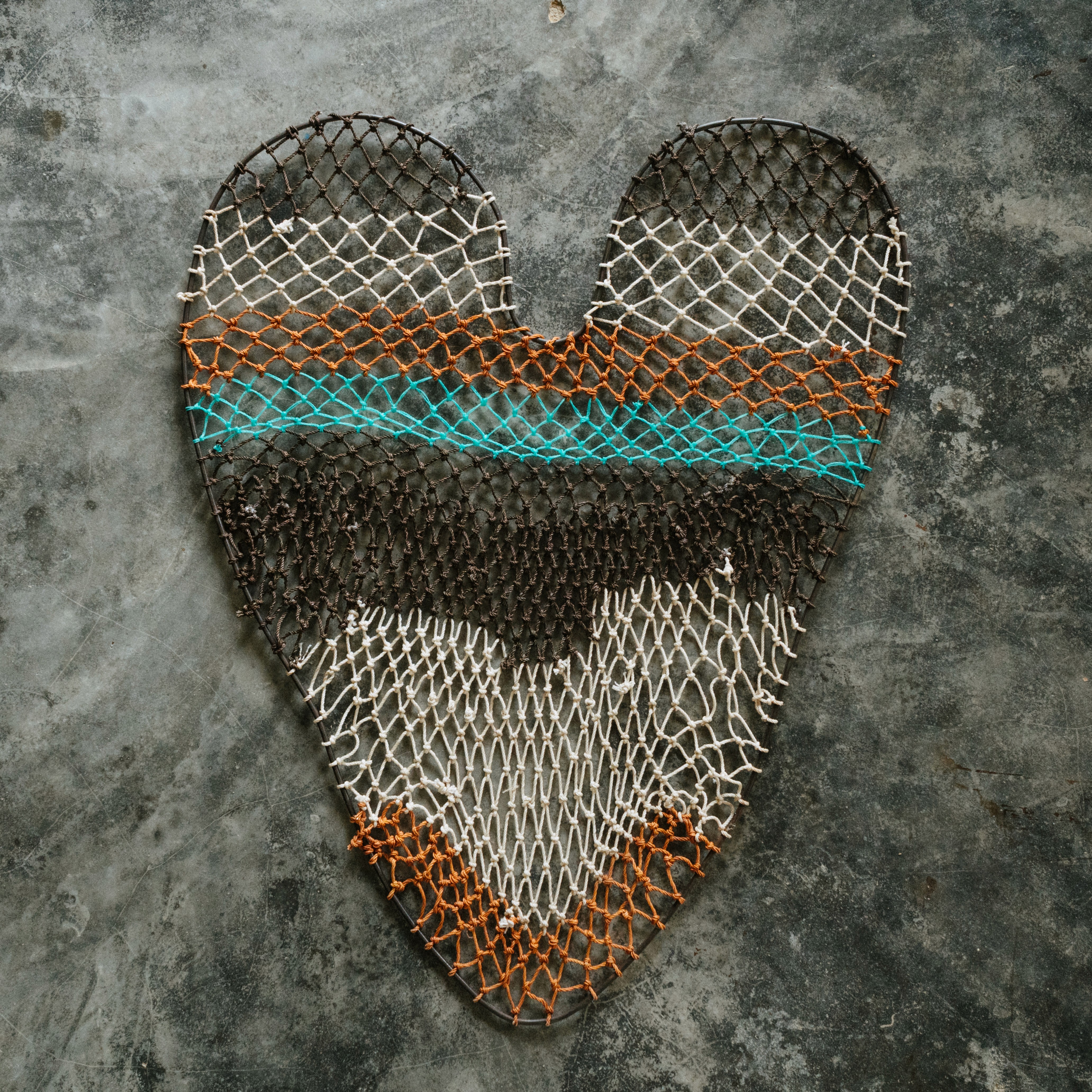
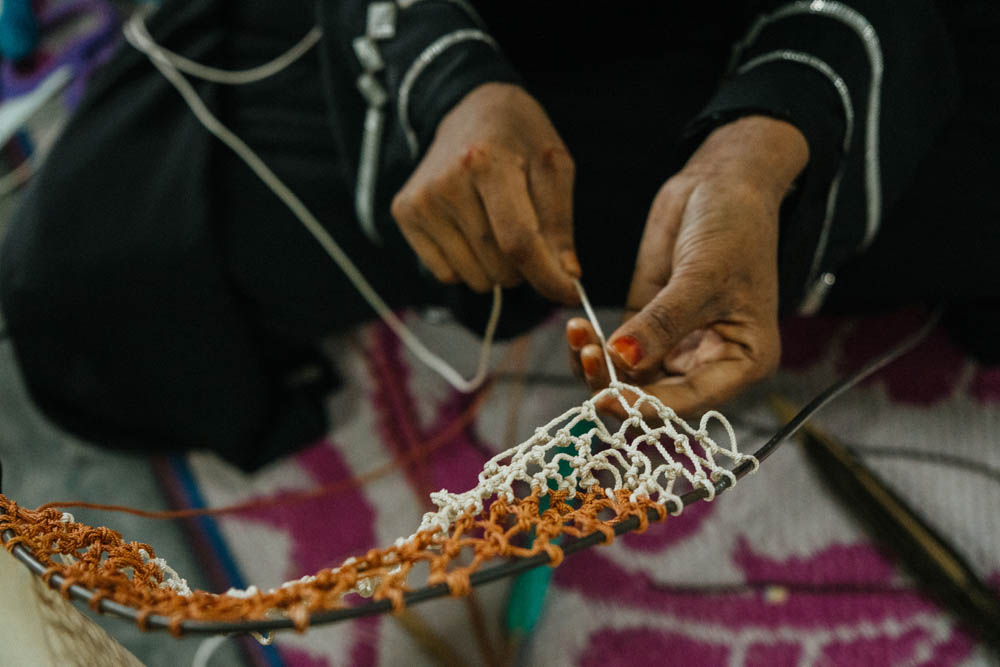
Hoñsu Fathar on Fish Net, 2025
Nuru Sabar
Buthidaung, Myanmar
Steel wire with nylon rope
Nuru’s curiosity led her to learn different craft practices from everyone around her — farmers, makers, weavers. “I asked them to teach me. I learned from my grandparents, who used basketry to make all kinds of farming tools. Since I had no elder brother, I learned everything — even ploughing. My husband was a refugee in 1992. He taught me how to make stools. And I kept learning.”
She now sees this work as an act of cultural preservation. “If we don’t pass this on to our children, it will disappear — and with it, our Rohingya name. This is how I keep my grandparents alive. This is how I leave my mark. Like water on a taro leaf, nothing remains unless we make an effort. If we lose our culture, we disappear.”
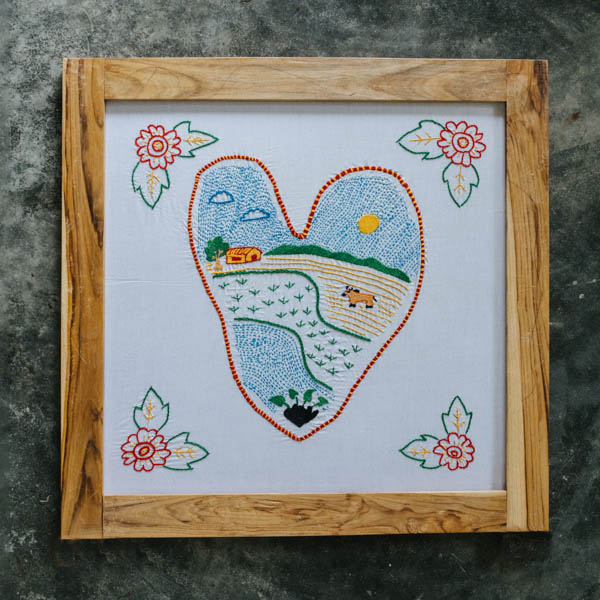
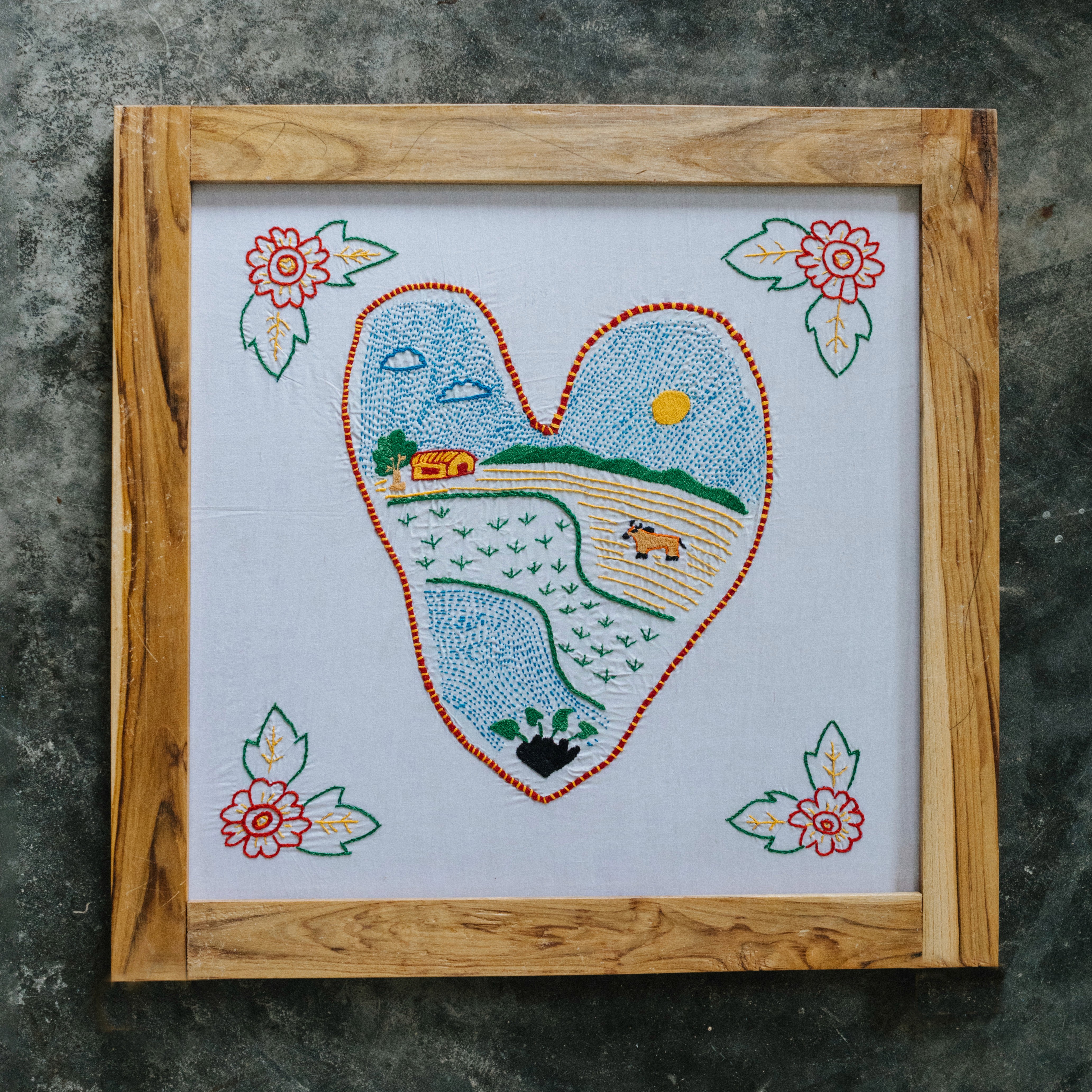
Hoñsu Fathar on Embroidery, 2025
Senu Anara
Poema, Kyin Chaung, Maungdaw, Myanmar
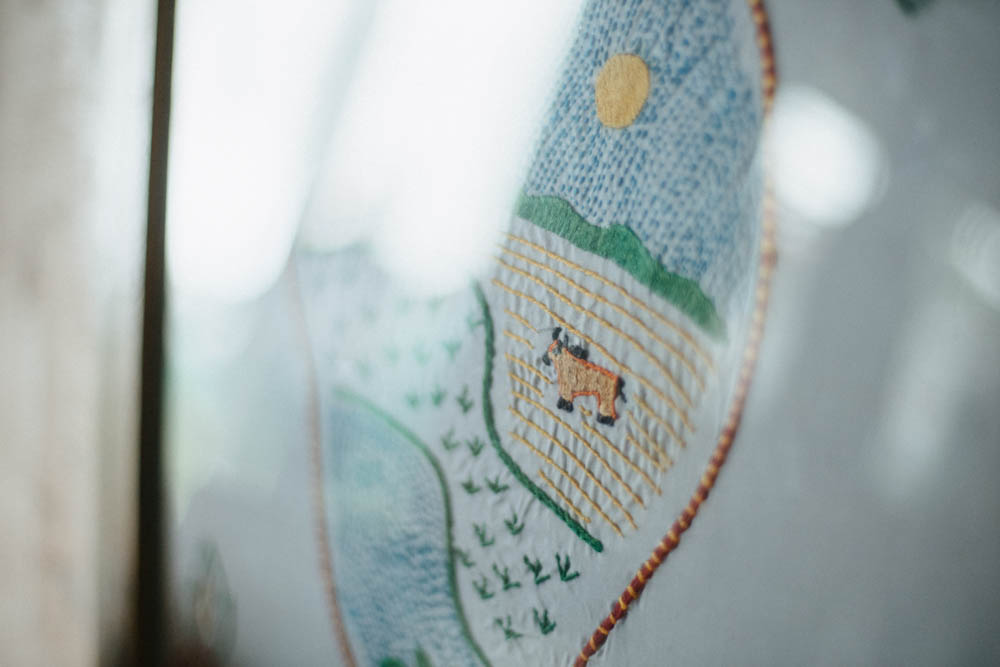
Handwoven cotton
Senu trained in weaving through a vocational program in Myanmar when she was 23 years old. She is used to making lungis, scarves, pillow covers, and bedsheets. Her embroidery carries both cultural memory and quiet resistance.
“We never thought the Rakhine and Burmese governments would drive us away, the taro leaf is our document, and we are the water. The leaf remains in Myanmar, and like water, we’ve been forced to flow elsewhere. If we show this to the world, maybe our mark will remain.”
Hoñsu Fathar in Photography, 2025
Sahat Zia Hero
Maungdaw, Myanmar
Digital photography
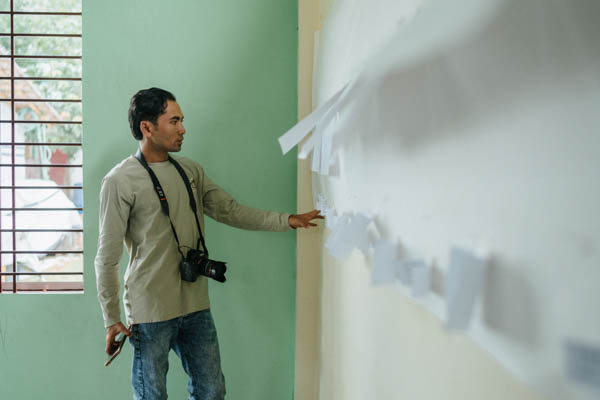
Sahat began photography in Myanmar in 2014, first photographing football games. But after the 2017 military violence forced him to flee to Bangladesh, his focus shifted. He began documenting life in the camps — not just to bear witness, but to make the world feel.
An award-winning photojournalist, Sahat now runs Rohingyatographer, a global platform.
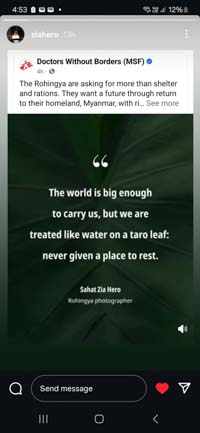
“The taro leaf in my photo shows the world that our crisis continues — that we are still here. The world is big enough to carry us, but we are treated like water on a taro leaf: never given a place to rest. I want the world to know that we are human beings. We exist. We deserve peace, knowledge, and dignity — just like everyone else.”
Hoñsu Fathar as Folk Story (Kyssa), 2025
Mohammed Yakub
Thin Ga Net, Buthidaung, Myanmar
Oral storytelling and written folk narrative
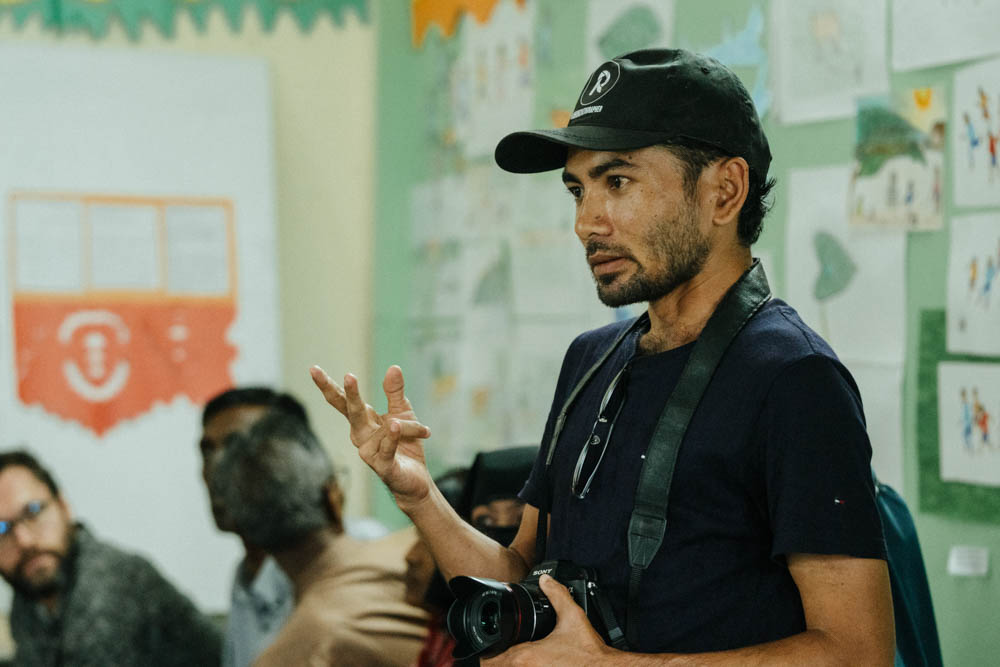
Yakub grew up surrounded by stories — first told by his mother and elders, then shared by him with children in the camps. “I’ve been storytelling since I was young, always with a focus on education, morals, and the culture we carry.” Now Yakub is a trained community journalist and producer.
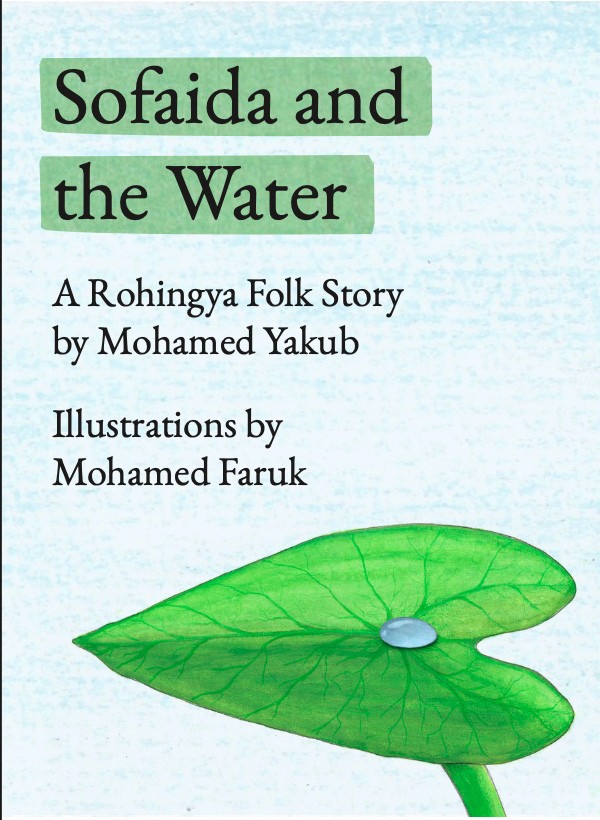
For the symbols project, he presents Nadtwa Fata — The Dancing Leaf — a story drawn from memory and reflection on his situation. “A journalist can destroy a country — or help rebuild it. I want to be a representative of Rohingya culture. If I can show the world that we also belong to Golden Arakan, maybe they will help us return.”
Foldable Zine for Children
Hoñsu Fathar in Animation & Poetry, 2025
Mohamed Faruk with 10 Rohingya children; Asma Nayim Ulla, Maungdaw, Myanmar;
Pencil and ink on paper; spoken and written word Animation produced by Victor Caringal and Tasman Munro
Mohamed, a self-taught artist, created the original drawings, joined by children who also contributed. His practice is shaped by observation and persistence. “Art is how I show the world who we are — that we are alive, that we have culture, that we still dream.”
Asma’s poetry draws on memory, and storytelling traditions. “We’ve lost our land, but we haven’t lost our voice — and that’s what I want the world to hear.”
Together, the work reflects how image and language can carry identity forward — making a mark where permanence is denied.
Meeras Pavillion, 2025
Ruhul Amin, Asma Ullah Nayim, Simone Chua, Sujauddin Kamarrudin, Arunn Jegan, Eloise Liddy, Adela Lines, Tasman Munro, and Caitlin Gibson
Commissioned by the City of Sydney and Médecins Sans Frontières (MSF). Produced with Amigo & Amigo
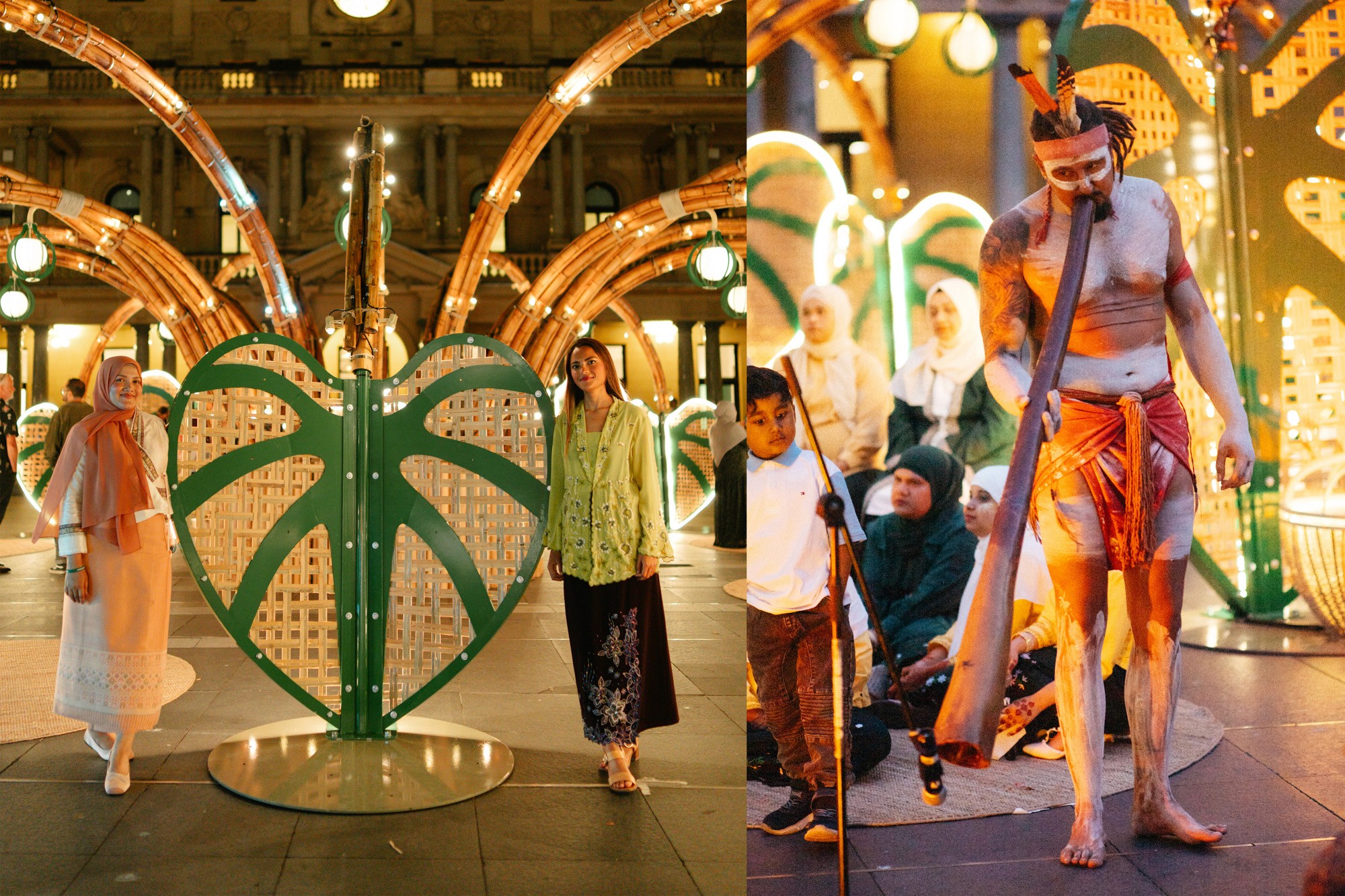
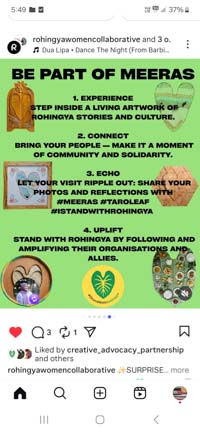
Meeras Pavilion is a collaborative installation created by over 200 Rohingya artists, designers, and allies across three countries. The pavilion brings together and explored the concept of meeras — heritage, legacy, and the responsibility to carry culture forward.
The pavilion transforms a space of gathering into one of reflection and solidarity. Through collective making, the project connects Rohingya communities and supporters across borders, demonstrating how art can sustain memory, culture, and identity even in displacement. It was the largest expression of the Taro Leaf, which had over 35,000 Sydney-siders visit.
Meeras Pavilion
Section 3 – Photo Essay
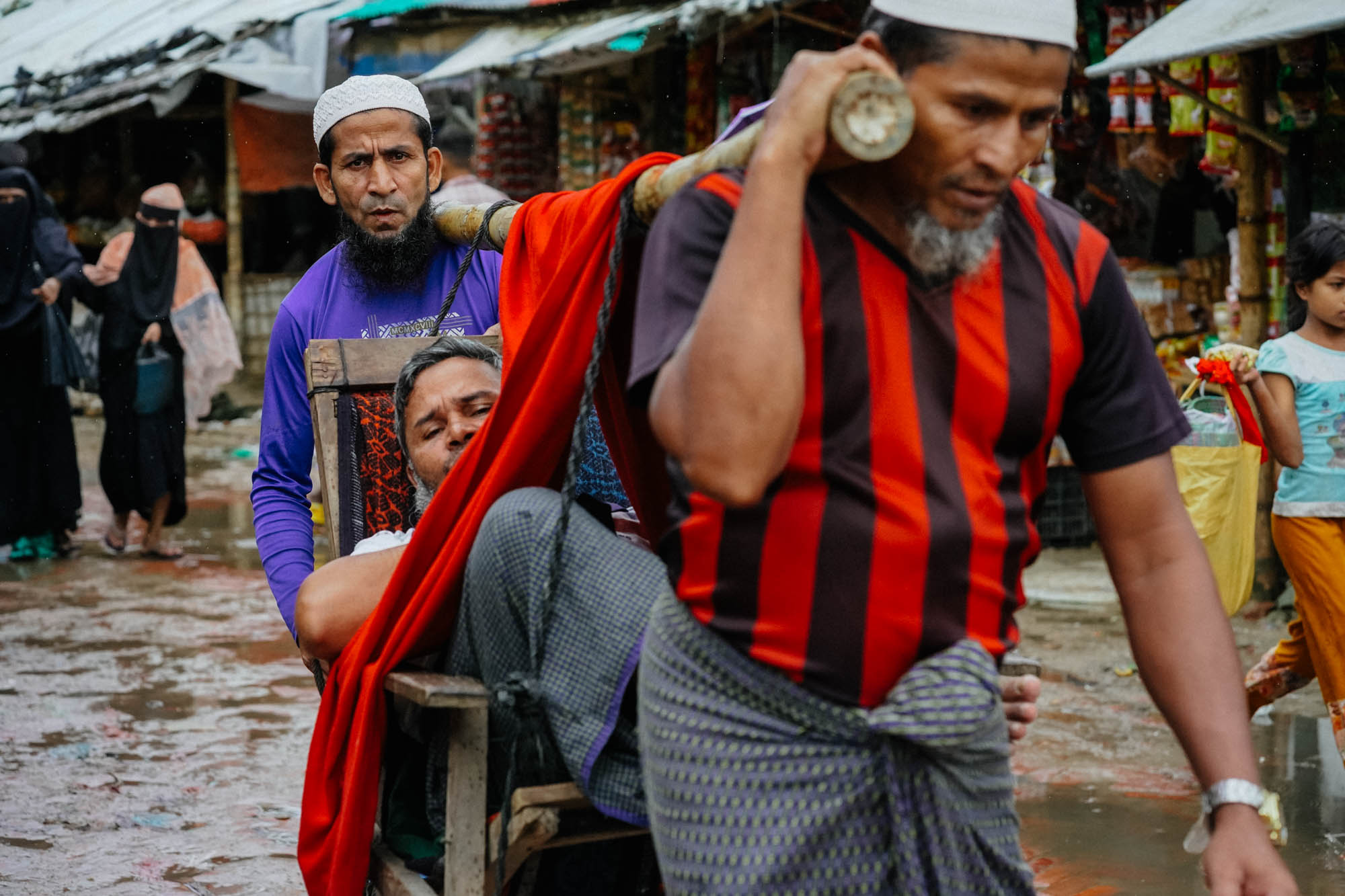
Life in the camps
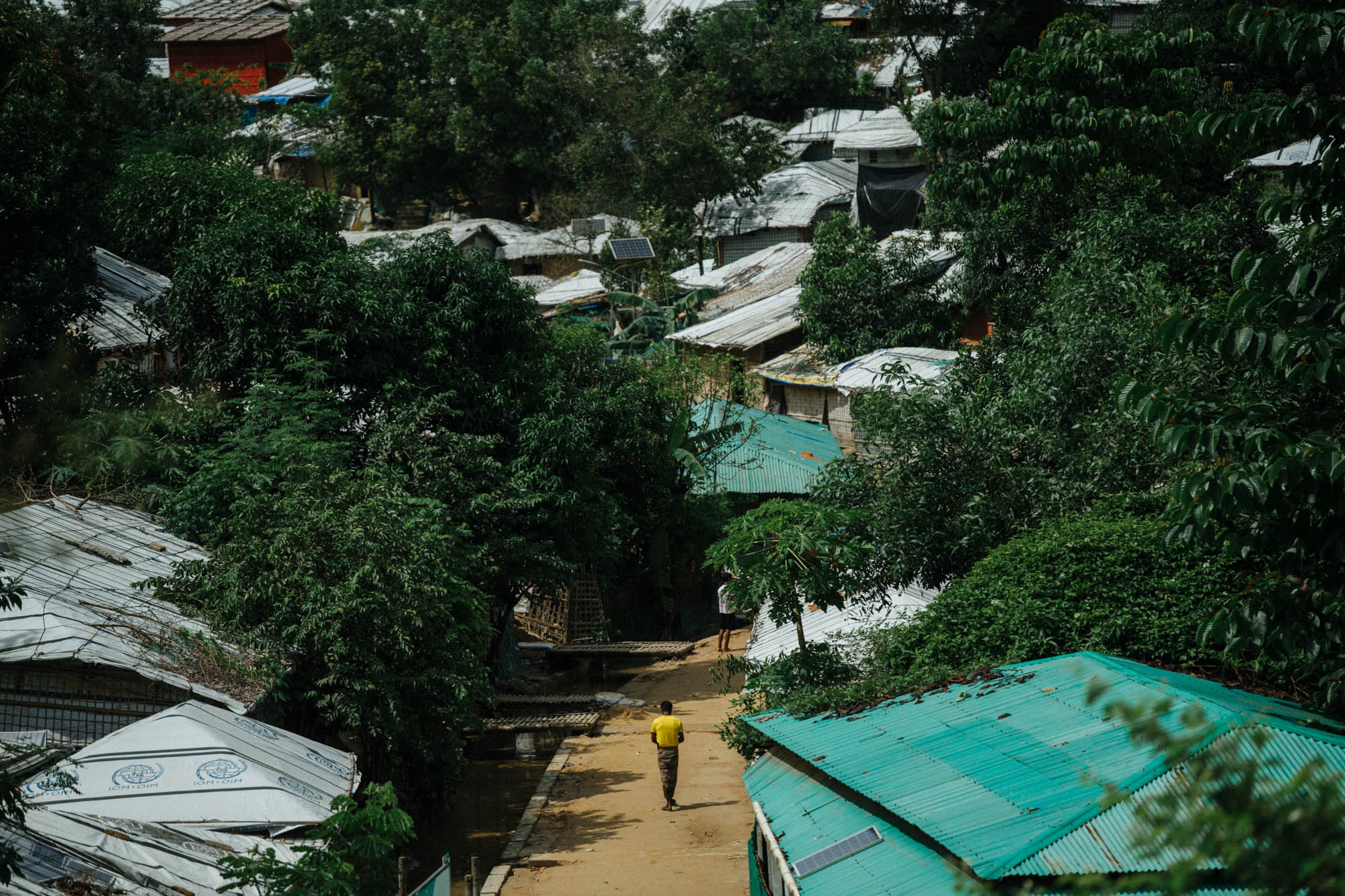
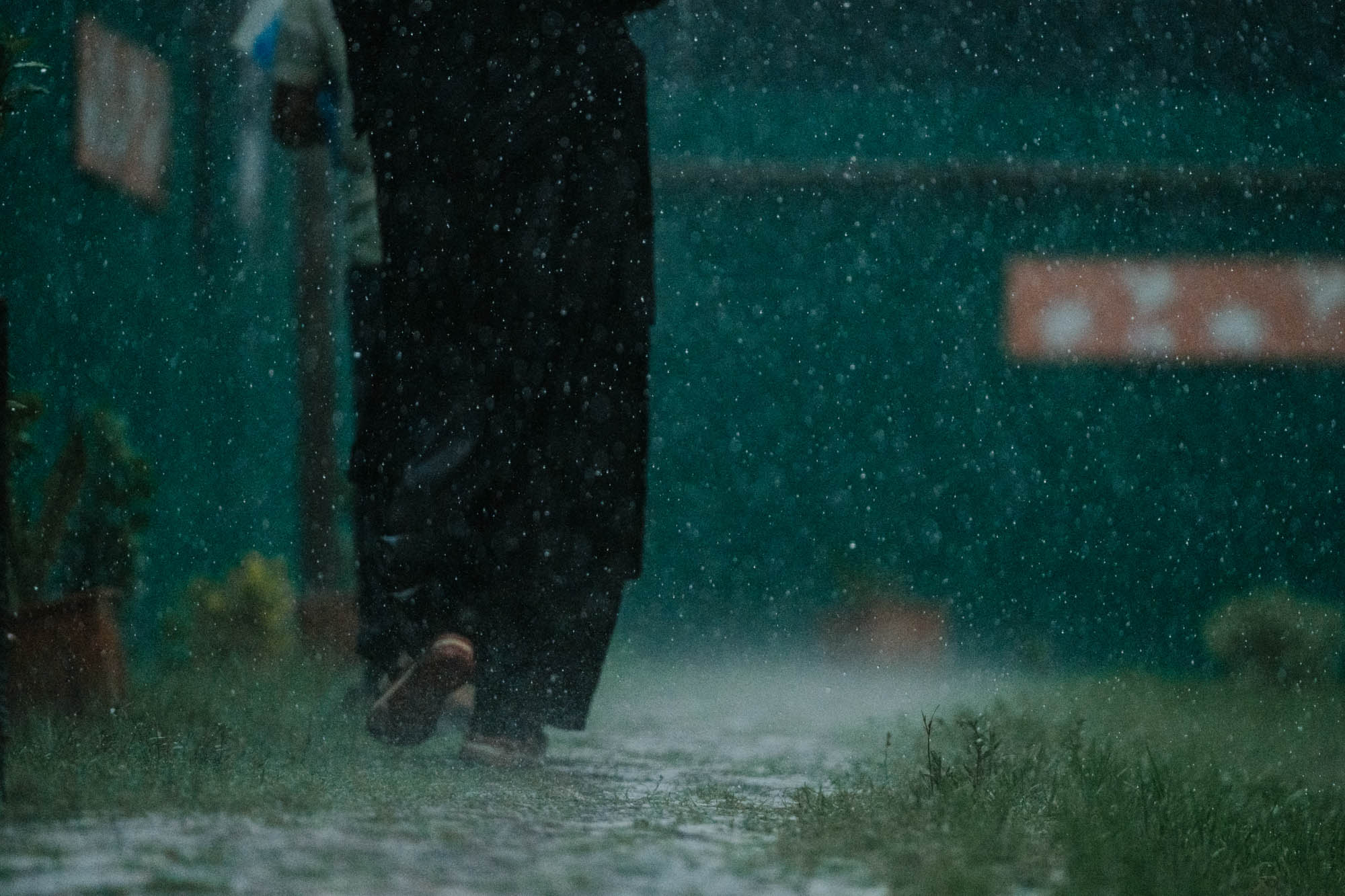
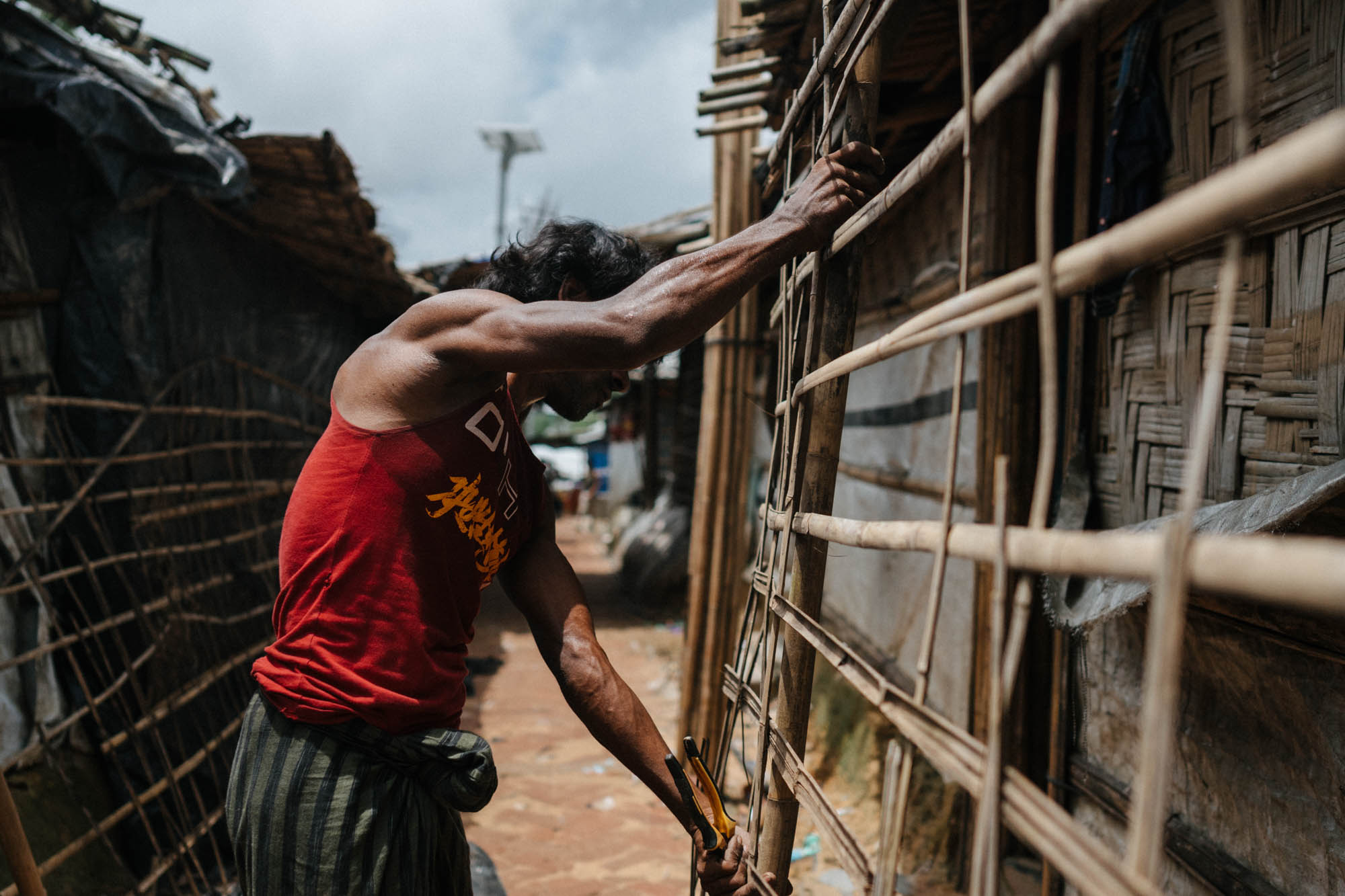
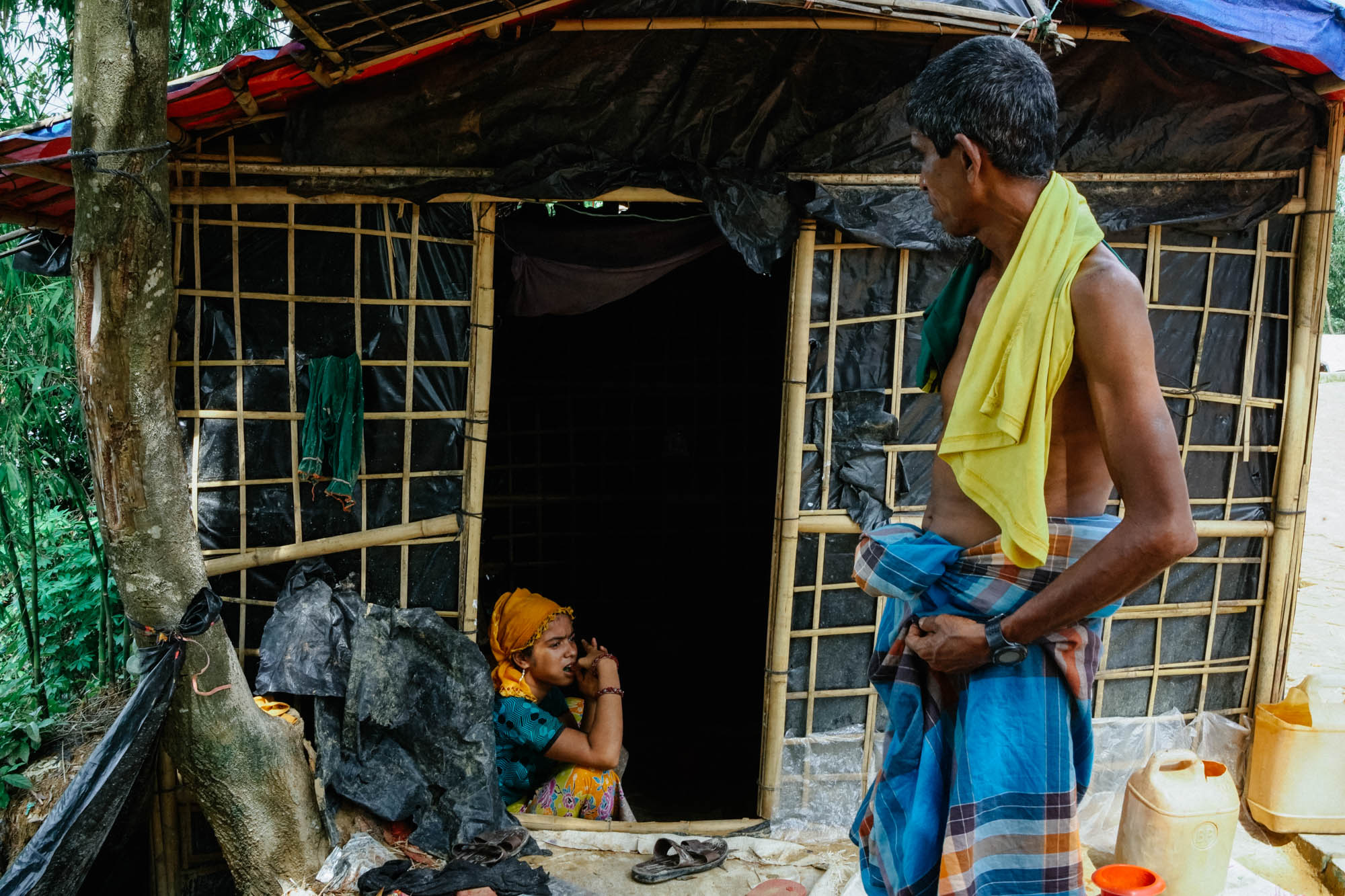
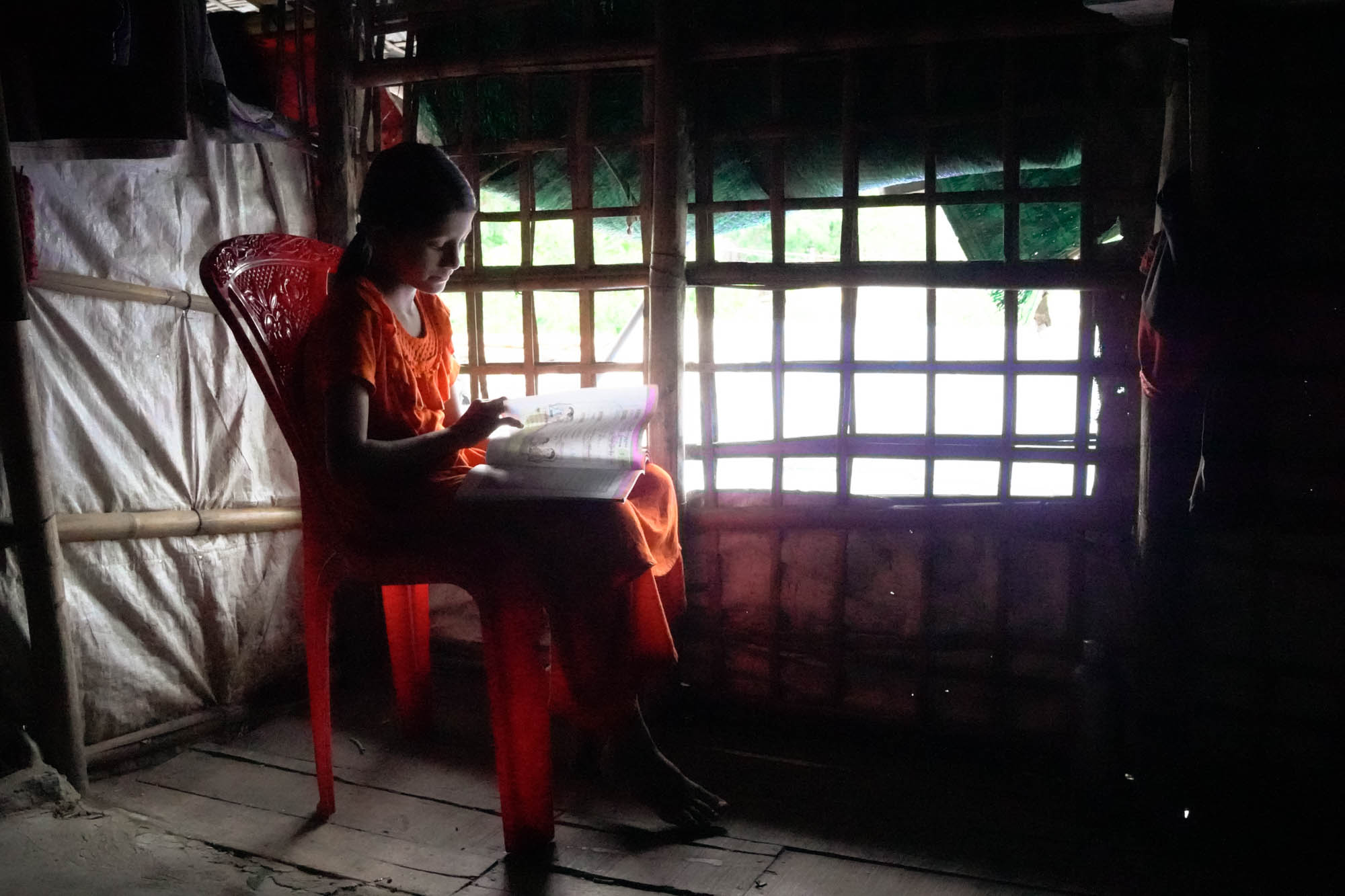
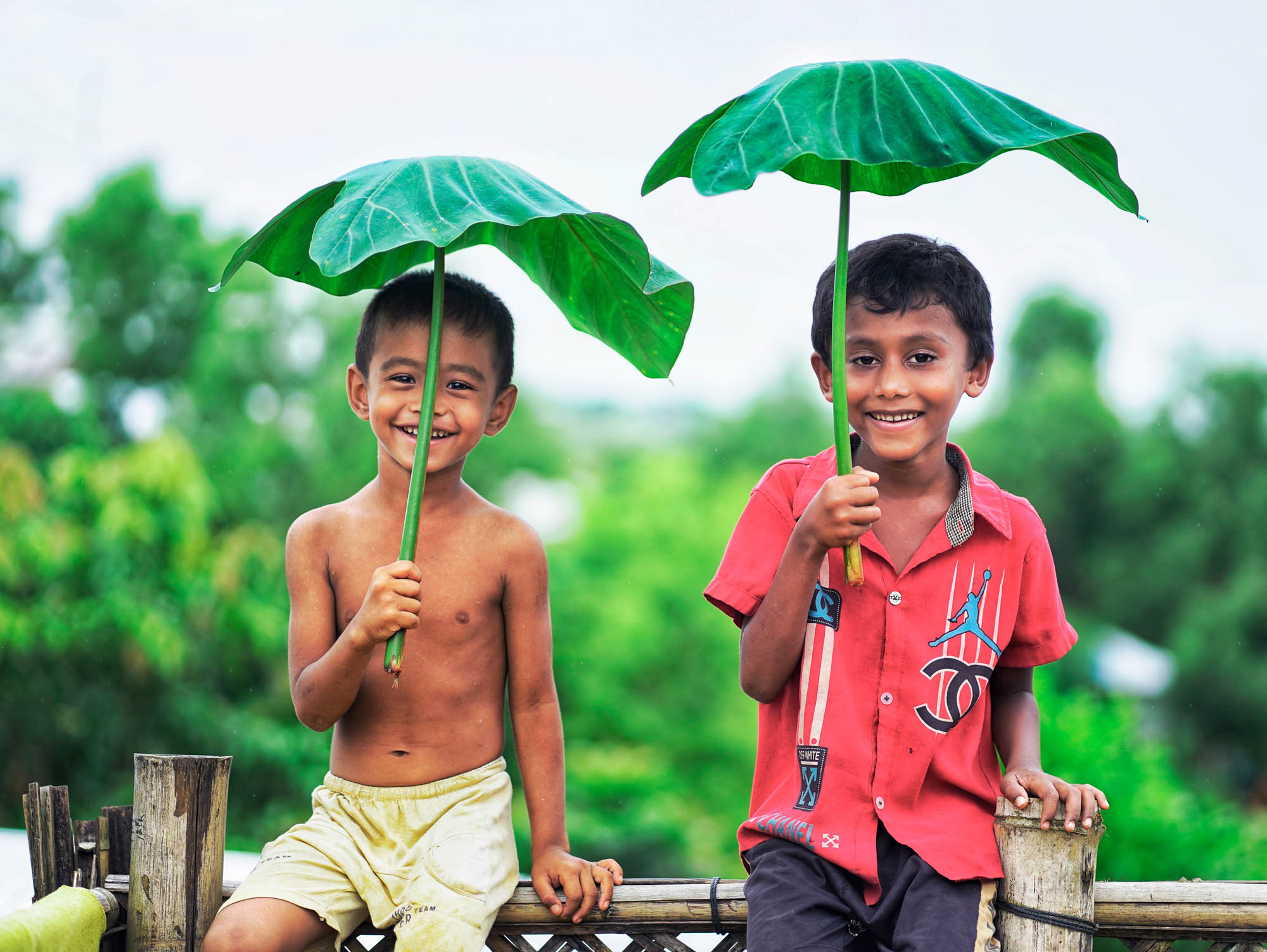
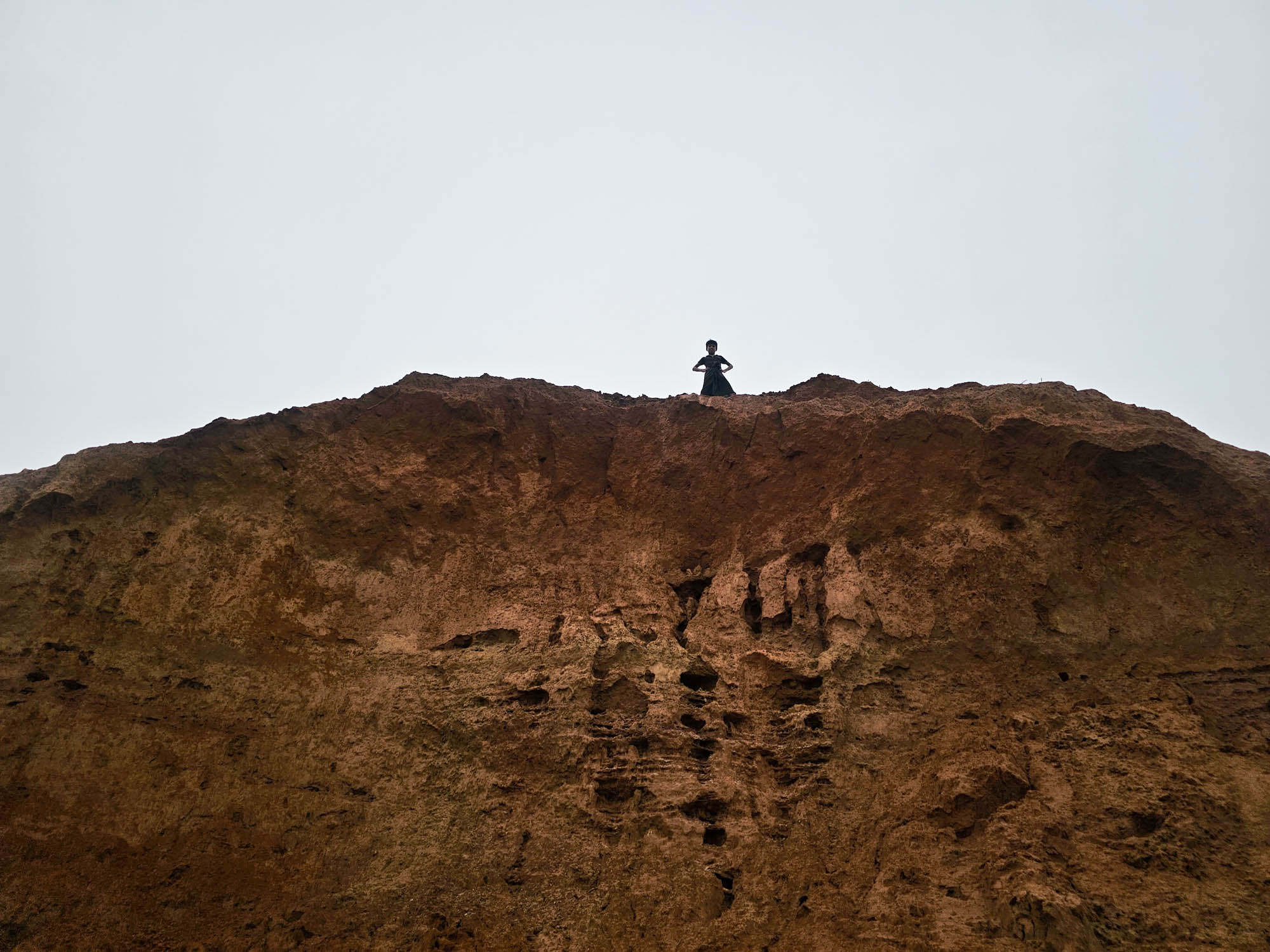
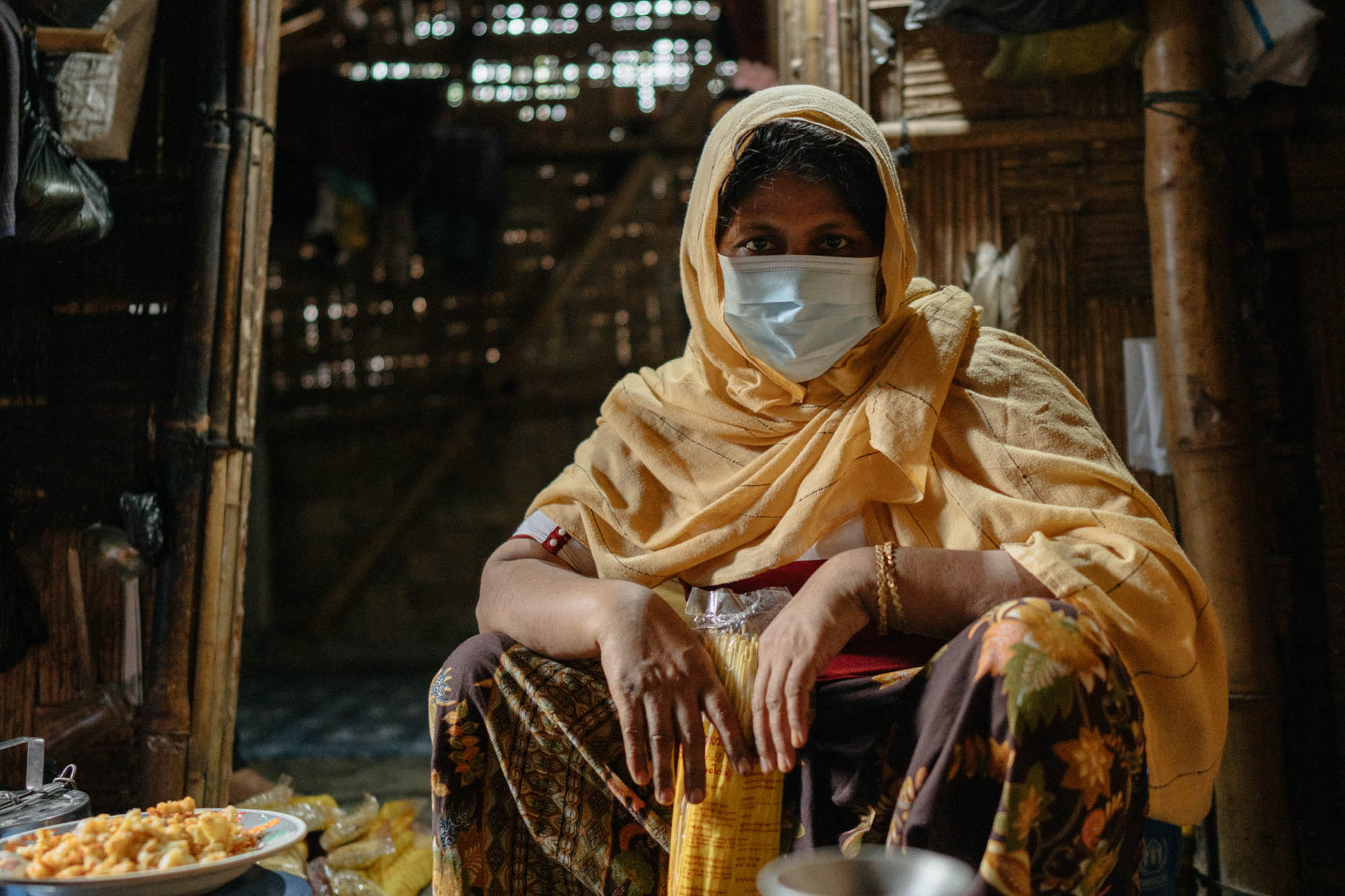
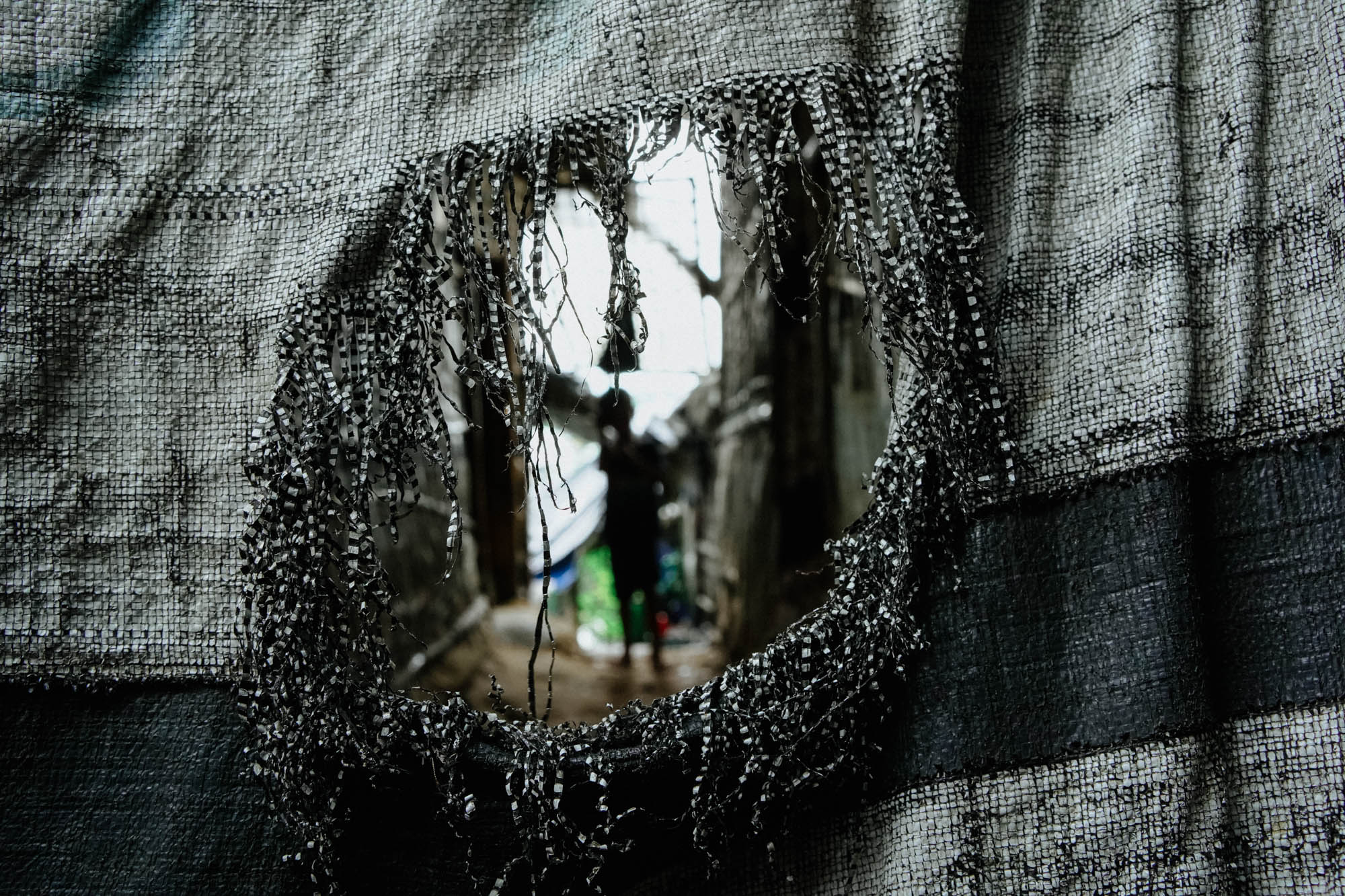
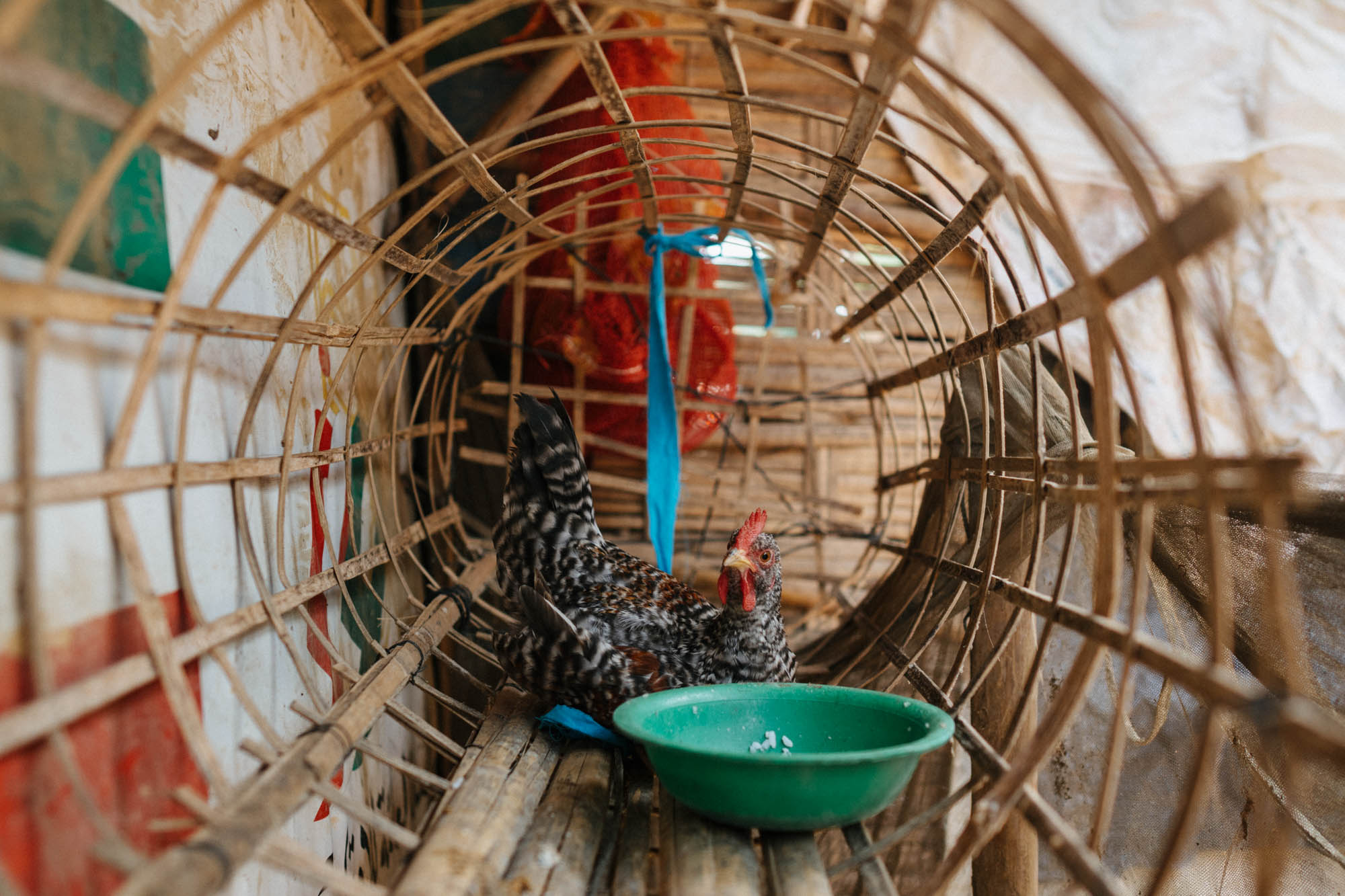
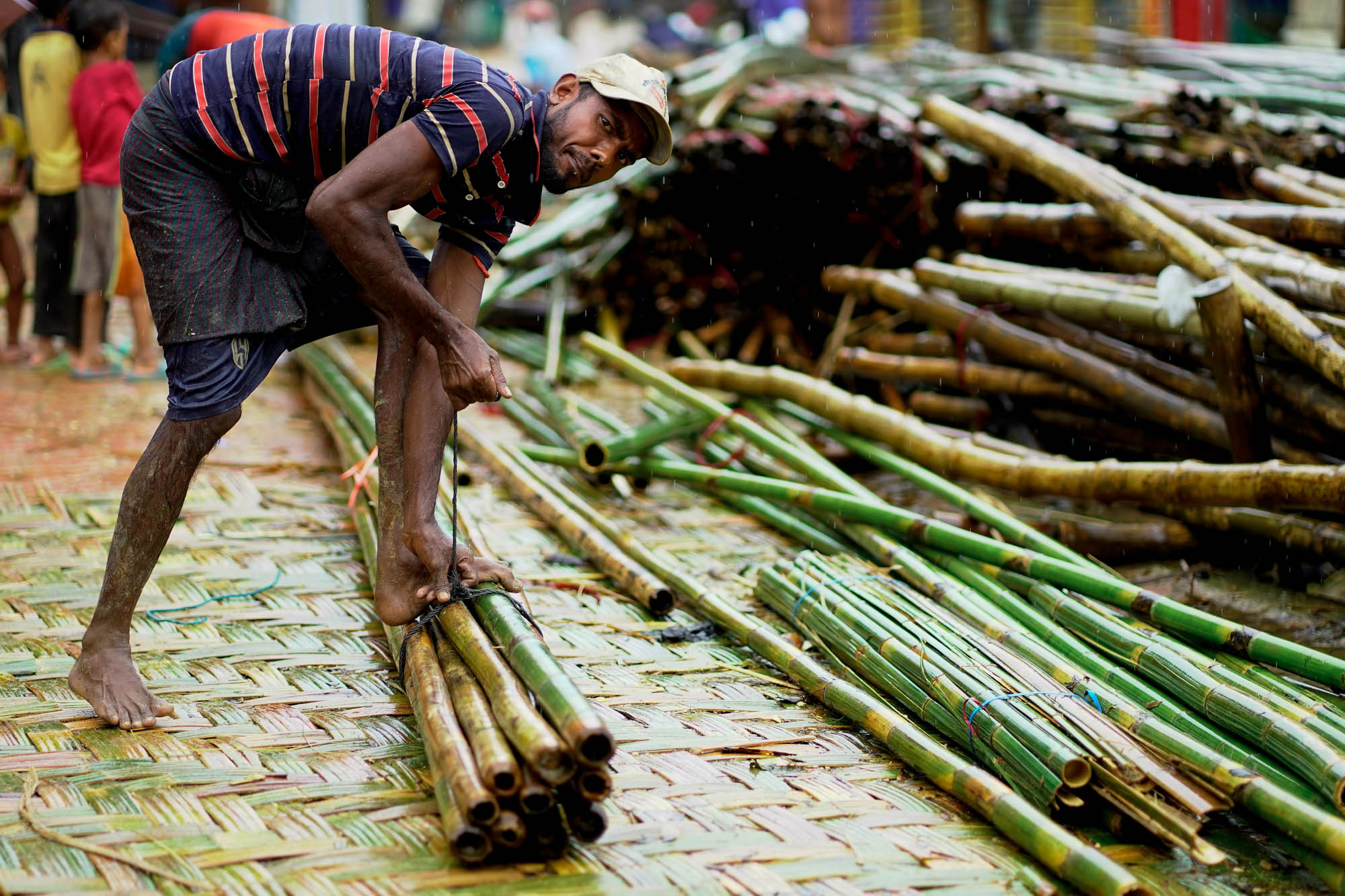
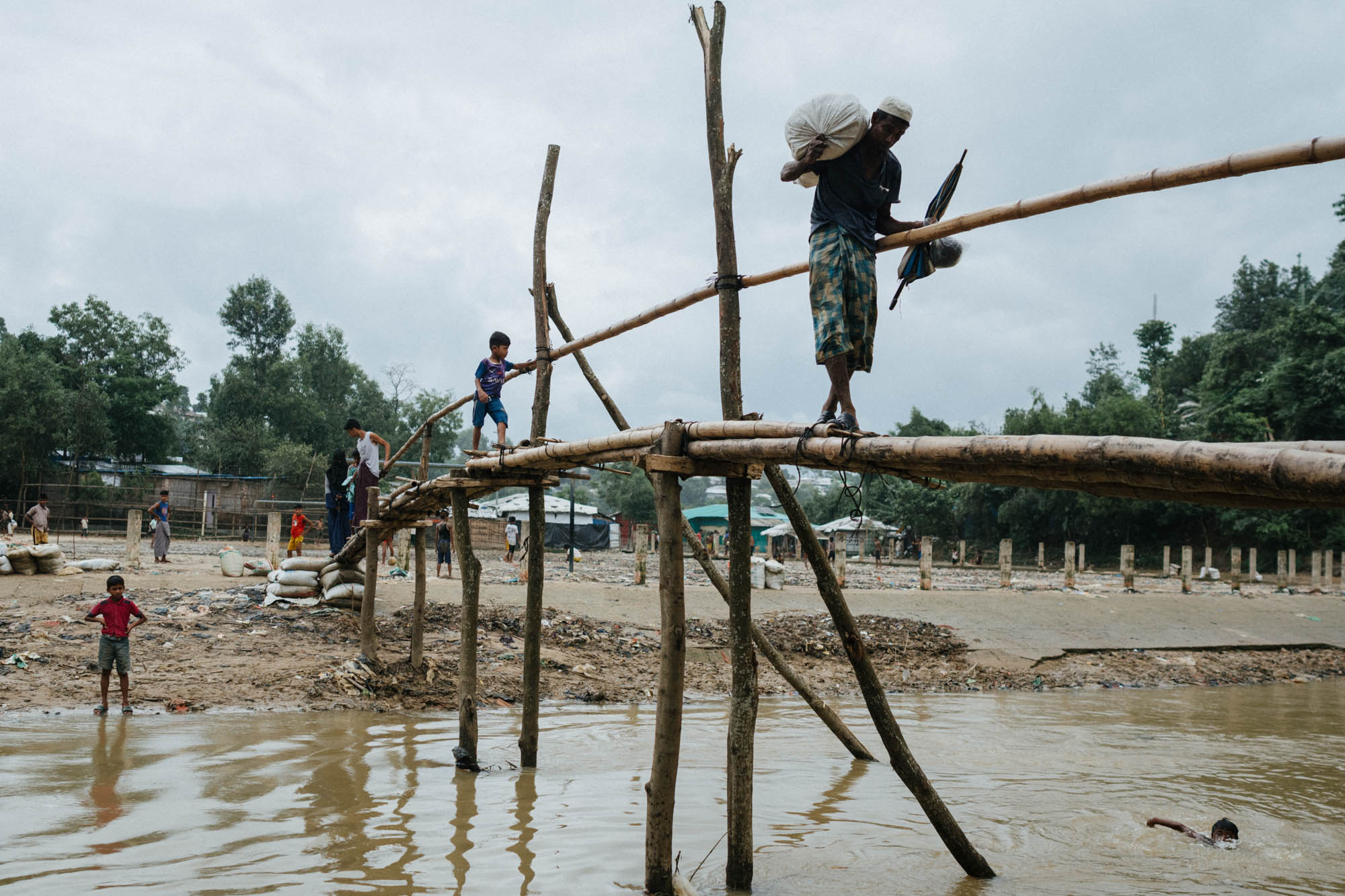
In June 2025, Rohingya photojournalist Sahat Zia Hero and Australian photographer Victor Caringal worked together to produce a series of photographs that showed how the Rohingya have adapted to daily life in the Kutapalong refugee camps in Bangladesh.
Tap right
to view
Section 4 – Movement Together





Together: Partnership & Collaboration
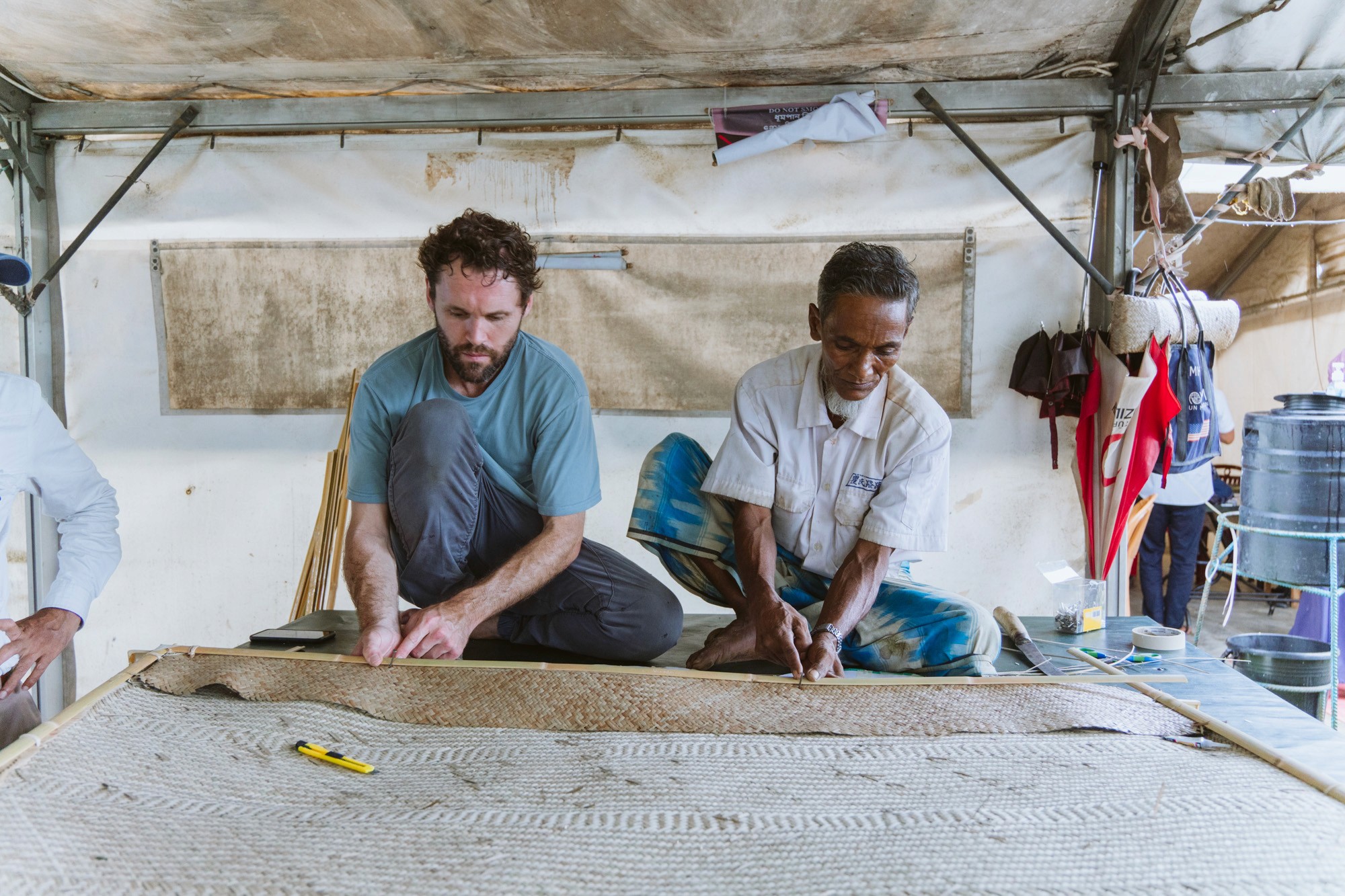
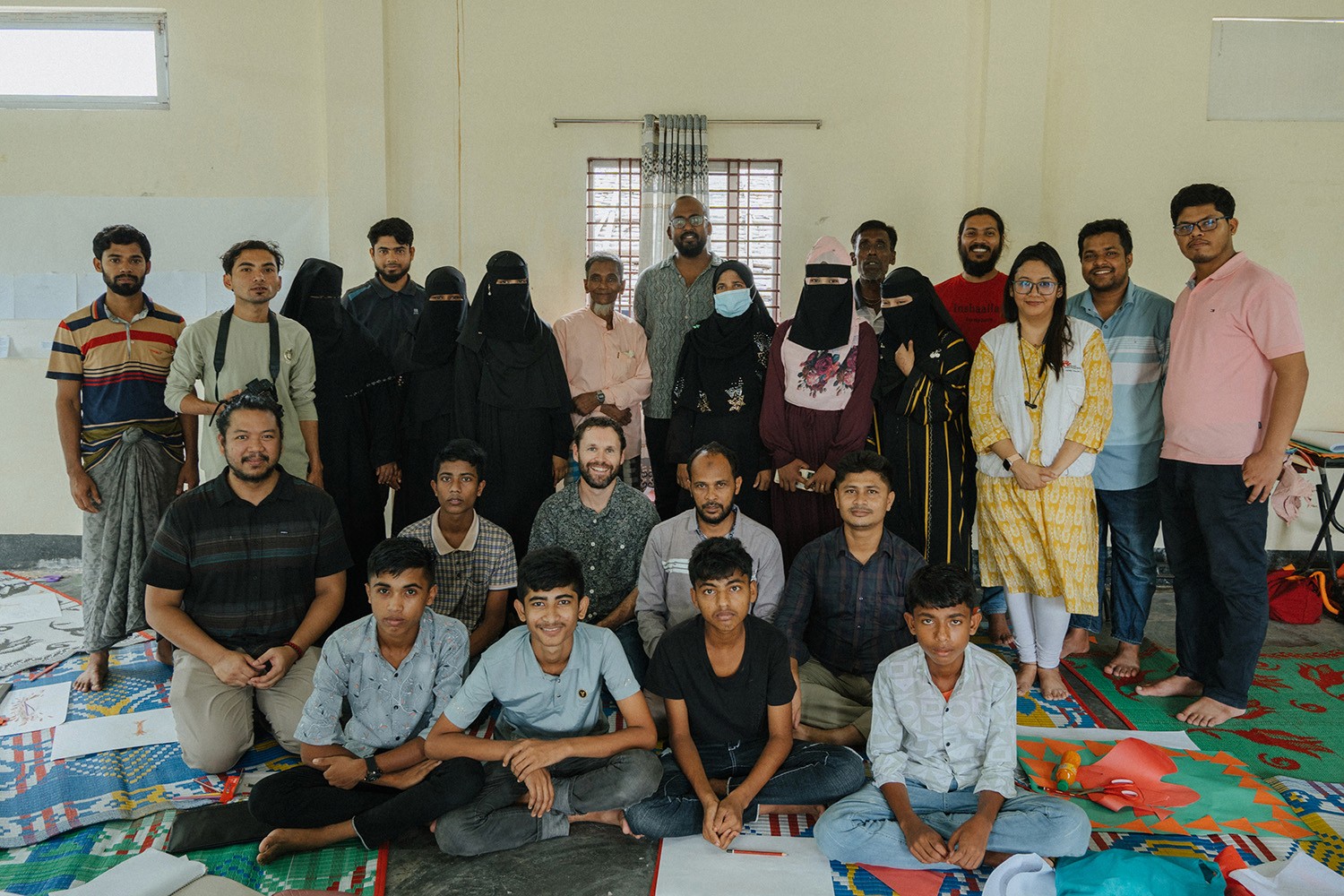
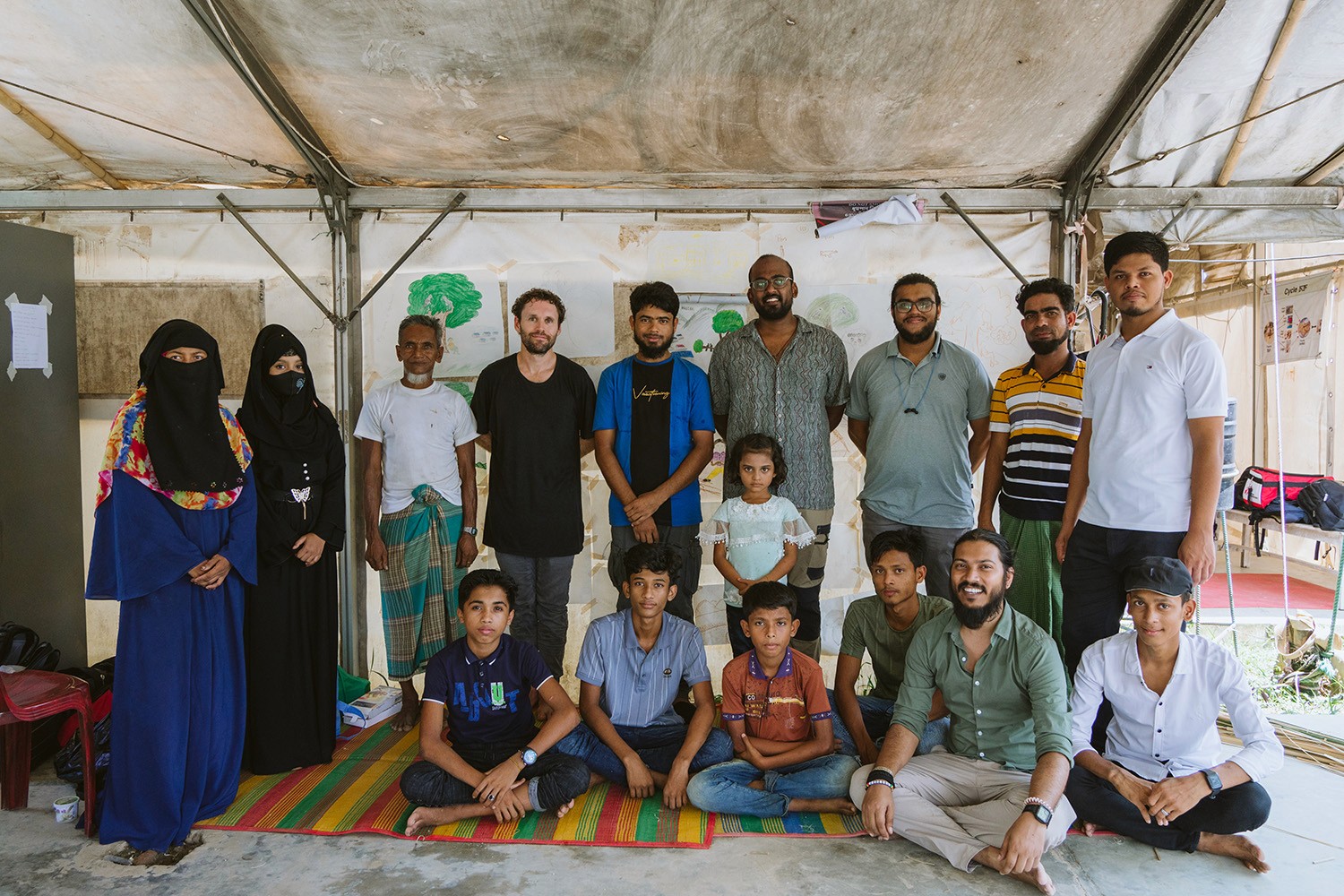
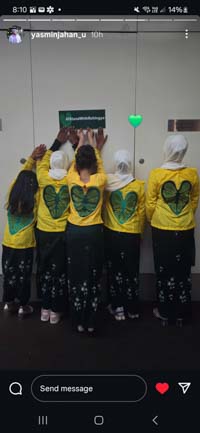
This work is built through collaboration — between Rohingya artists, communities, and allies across different places and practices. From Sydney Australia, to Cox Bazaar in Bangladesh, over 200 people came together to build this set of work.
These images show moments of making together: sharing skills, building structures, performing stories, and creating space for Rohingya voices to be seen and heard. Partnerships here are not about delivery, but about working side by side — learning, adapting, and shaping the work collectively.
What emerges is not a single author, but a network of relationships. Indigenous Australians, Rohingya, Bangladeshi’s, and allies.
In the Hands: Craft, Practice, Continuity
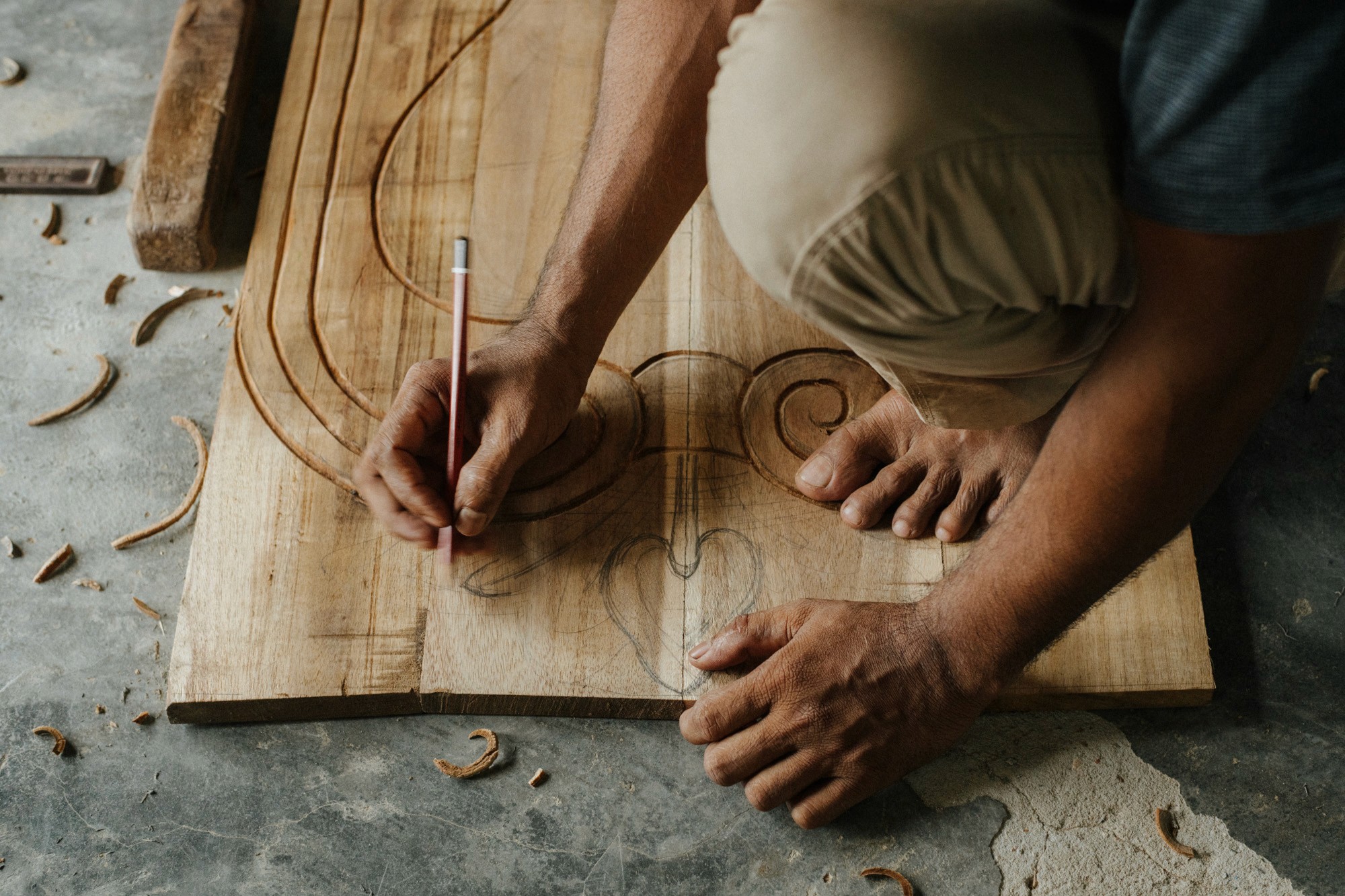
These images focus on the act of making.
Working with clay, bamboo, thread, and wood, Rohingya artists continue practices shaped by necessity, memory, and care. In displacement, where land and stability are uncertain, making becomes a way to hold onto knowledge, identity, and control.
Each gesture carries something forward — skill, culture, and connection to home.
Alone, these hands cannot hold everything. Together, they carry what remains — and what continues.
“We are not just working on the taro leaf just because it looks beautiful.
The taro leaf represents our whole life, how Rohingya are surviving in this world.”
Nuru Sabar, Rohingya net weaver artist
Section 5 – Timeline Activity

Section 6 – The Taro Leaf Statement
A community statement developed
by Rohingya artists and advocates
The Taro leaf is a symbol representing the Rohingya experience of statelessness. It comes from a proverb: Hoñsu Fathar Faaní, which is about how water sits on a Taro leaf, like its floating, and when the wind blows, it rolls off, leaving no mark.
This is what statelessness feels like. For Rohingya, our history is being erased in Arakan, and where ever we live it is difficult to get documents, to practice our culture and build a life and future. We are like water on a Taro leaf, floating with no land under our feet, we are at threat of disappearing. So for Rohingya, existing is resisting, we need to keep living our lives, telling our stories and continuing our legacy (Meeras).
This floating creates many problems, especially for Rohingya stuck in Kutupalong refugee camp. We are restless, living in limbo between countries that don't want us, it is difficult to access education, healthcare, and opportunities for the future. This means our kids are on the street and make bad decisions like being convinced to choose violence over community, some husbands turn to gambling with the hope of finding a way out, women feel unsafe walking alone, and we fight over the little resources we have like selling water or controlling access through the camp, at any time authorities can move us to another shelter and we have no right to refuse, we feel shame begging for operations or asking permission to move. We have been floating for eight years, some of us for much longer, as time goes on we loose hope and begin to think that camp life is our destiny, or there is no destination, only a journey of suffering.
But despite this many of us keep finding the strength to make a mark, by practicing our culture, teaching our children, studying in online universities, working toward our future, and finding pathways out of the camp, we revive our language, hold Arakan in our hearts, find things we can control in our hands, keep advocating for rights, and create diverse stories to represent our people.
The Taro leaf shares this story with the international community, to help people understand the experience of statelessness and to put pressure on governments for positive change. But the symbol is also for us, it helps us continue our legacy. All the crafts you see here are part of Rohingya culture, if we don't keep practicing them we will lose our culture and our connection to country. In Arakan we made fish nets and bamboo farming tools out of necessity, but in the camp we have stopped, because there is no land. This project has helped us practice these crafts and pass these stories onto our children. It reminds us what it is to be Rohingya.
We hope one day these water drops can find a place to rest. We want to return home or find other places to settle with safety, dignity and rights. If this is not possible there is no point in providing food or shelter, will we be in this camp for another 50 years? Please help us find a pathway forward, we cannot do it alone.






























How can I help?
If you're interested in using the taro leaf exhibition to share about Rohingya culture, we've made these and other assets publicly available.